Grief can make even familiar Bible passages feel distant. The right workbook can provide structure, Scripture, and a gentle pace for processing loss without rushing healing.
In this roundup of the best Bible study workbook for grief options, we focused on faith-based resources that help readers pray, reflect, and move forward with steady support.
Best 10 Bible Study Workbook for Grief Picks for 2026
Bible-centered recovery workbook
The Life Recovery Workbook for Grief

- 12-step, Scripture-based grief path
- Includes stories and discussion questions
- Compact 128-page workbook format
Best For: People seeking a structured Christian recovery workbook for grief
Plainspoken Scripture companion

- Scripture-first help for grief reactions
- Includes prayers, journal pages, and a 7-day walk
- Honest, compassionate tone
Best For: Readers wanting direct biblical comfort and guided reflection
Therapy-style grief exercise book
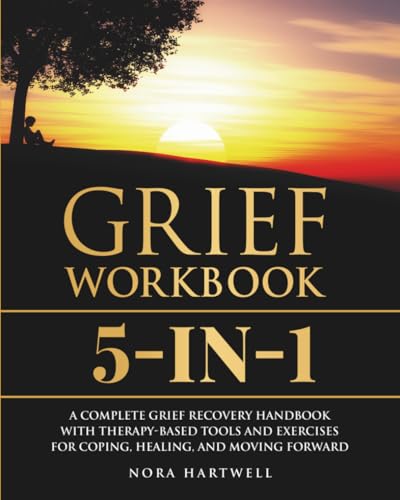
- Reflective exercises and guided prompts
- Tools for overwhelming thoughts and journaling
- Suitable for counseling or support groups
Best For: Readers who want a practical, therapy-based grief workbook
Structured Bible study guide

- Six-week Bible study format
- Explores grief in the Old Testament
- Compact and easy to follow
Best For: People wanting a focused Christian study on grief
Compassionate Christian Healing Guide

- Five-stage grief path with biblical encouragement
- Scripture, prayers, and journaling prompts included
- Suitable for individuals, groups, and counselors
Best For: faith-based grief processing with structured reflection
Quick Reference Grief Resource
What the Bible Says About Grief

- Foldout format with quick biblical guidance
- Emotion-and-verse chart for practical support
- Works well for churches, counselors, and individuals
Best For: a short, easy-to-use grief reference
Group-Friendly Bible Healing Study
God's Healing for the Brokenhearted

- 12 lessons with scripture, questions, and prayers
- Addresses grief, trauma, depression, and heartbreak
- Recommended for group discussion and prayer
Best For: group study centered on healing and Scripture
Non-Faith Grief Support
The Only Grief Workbook You'll Ever Need

- Compassionate workbook for processing grief and loss
- Includes prompts, grounding exercises, and creative activities
- Focuses on guilt, milestones, boundaries, and identity
Best For: Readers wanting practical grief support without a Bible study format
Scripture Hope Study
Restful Hope: Finding Hope Through Grief and Loss

- Eight-week Bible study through 1 Peter 1
- Includes reflection, journaling, and prayer pages
- Designed for individual or group use
Best For: Christians seeking a focused, Scripture-based grief study
Guided Prayer & Verse Mapping

- 52-week workbook with weekly Scripture and prayer
- Includes SOAP mapping pages and gentle prompts
- Bonus gratitude sheets, affirmation cards, and family activities
Best For: Readers wanting a long, flexible prayer and verse-mapping workbook
Bible-centered recovery workbook – The Life Recovery Workbook for Grief
If you want a bible study workbook for grief that pairs Scripture with guided recovery steps, this workbook offers a structured, Bible-centered path. It uses a 12-step format, real-life stories, and discussion questions to help readers work through grief one step at a time, whether on their own or in a group.
Best For: Readers who want a faith-based, step-by-step grief workbook with discussion prompts and recovery framing.
Pros:
- Uses a clear 12-step approach grounded in Bible verses.
- Includes real-life stories plus questions for individual or group discussion.
- Designed as a compact workbook at 128 pages.
- Addresses grief with a recovery-focused, practical format.
Cons:
- More structured and recovery-oriented than a freeform devotional.
- Relies on a 12-step framework that may not fit every reader.
This is a strong choice if you want an organized Christian grief resource that keeps the focus on Scripture and recovery. Its step-by-step design makes it easy to follow in counseling, a support group, or private study.
Plainspoken Scripture companion – Bible Answers for Grief
If you’re looking for a bible study workbook for grief that stays simple, direct, and Scripture-first, this companion is built for exactly that. It addresses common grief experiences like shock, anger, guilt, loneliness, and hard dates, while also adding short prayers, a grief check, a seven-day walk, and guided journal pages.
Best For: Readers who want plainspoken biblical comfort with journaling and a short guided grief plan.
Pros:
- Focuses on Scripture-based comfort without overly polished language.
- Covers practical grief moments like difficult dates and asking for help.
- Includes a seven-day walk through grief, short prayers, and journal pages.
- Written in an honest, compassionate tone from lived experience.
Cons:
- Short guided format may feel light for readers wanting a deeper study program.
- More comfort-oriented than heavily lesson-driven.
This book works well if you want something steady and approachable instead of a more formal workbook. It keeps the focus on Scripture and practical next steps when grief feels overwhelming.
Therapy-style grief exercise book – Grief Workbook 5-1
For buyers comparing a bible study workbook for grief with a more therapeutic workbook, this option leans into emotional processing and practical exercises. It offers reflective prompts, healing conversations, tools for overwhelming thoughts, and space for journaling, creativity, and quiet reflection.
Best For: People who want a therapy-based grief workbook with journaling and practical exercises.
Pros:
- Provides reflective exercises and guided prompts for processing loss.
- Includes tools for managing overwhelming thoughts.
- Built for personal use, counseling, or support groups.
- Offers generous space for journaling and quiet reflection.
Cons:
- Not explicitly Bible-centered in the supplied description.
- Heavier and larger than a compact devotional-style workbook.
This is a practical pick if you want a hands-on workbook with a more counseling-friendly feel. It is best suited to readers who want emotional tools alongside reflection rather than a faith-only study format.
Structured Bible study guide – Glorified Through Grief
If you want a bible study workbook for grief that is organized as a focused study, this six-week guide provides a clear path through Scripture. It walks through the Old Testament to explore grief and biblical grieving, making it a strong fit for readers who prefer a study format over a general journal.
Best For: Readers who want a short, organized Bible study on grief through an Old Testament lens.
Pros:
- Structured as a six-week Bible study.
- Explores grief through the Old Testament.
- Centers on what the Bible says about biblical grieving.
- Compact 139-page format.
Cons:
- More study-focused than a broad grief recovery workbook.
- Likely best for readers comfortable with a weekly lesson structure.
This is a solid choice if you want a focused Christian study that keeps grief and Scripture tightly connected. Its week-by-week format makes it easy to use for personal study or a small group setting.
Compassionate Christian Healing Guide – We Grieve Our Losses
If you want a bible study workbook for grief that leans into both Scripture and honest reflection, this one is built to help you slow down and process loss with a faith-based approach. It covers grief from multiple angles—death, divorce, transitions, disappointment, and other painful losses—while offering guided prayers, journaling prompts, and biblical encouragement.
Best For: People who want a Scripture-centered grief workbook for personal healing, counseling support, or group study.
Pros:
- Written by a pastor and counselor with decades of ministry experience.
- Includes five restorative stages for naming wounds, processing emotions, forgiveness, and receiving comfort.
- Features Scripture passages, reflective exercises, guided prayers, and journaling prompts.
- Works for individuals, grief ministries, church groups, and counselors.
Cons:
- Focused on guided reflection, so it may feel slow-paced for readers wanting a quick overview.
- Published for 2026, so availability may depend on release timing.
Overall, this is a thoughtful option if you want a compassionate workbook that pairs practical grief processing with biblical hope. It is especially strong for readers who want space to pray, journal, and work through sorrow step by step.
Quick Reference Grief Resource – What the Bible Says About Grief
For shoppers looking for a compact bible study workbook for grief, this foldout pamphlet offers a fast, practical way to see what Scripture says about loss. It focuses on healing, recovery, and helpful next steps with at-a-glance guidance, making it a useful reference for personal use, ministry settings, or counseling support.
Best For: Readers who want a compact Scripture reference on grief and encouragement in a simple format.
Pros:
- Highlights relevant Bible passages about grief and healing.
- Includes a chart pairing emotions with Scripture promises and prayers.
- Offers practical tips on how to grieve well and move forward in peace.
- Useful for individuals, churches, and counselors.
Cons:
- Only 14 pages, so it is less in-depth than a full workbook.
- Best suited as a guide or overview rather than a long-form study.
This is a strong pick if you want something easy to read and easy to share. It won’t replace a deeper workbook, but it does deliver concise biblical support in a very accessible format.
Group-Friendly Bible Healing Study – God's Healing for the Brokenhearted
If you’re comparing a bible study workbook for grief that also addresses trauma, heartbreak, and depression, this study offers a supportive framework for reflection and prayer. It uses 12 lessons with scripture reading, reflective questions, and prayer prompts, creating a gentle path for readers who want to explore God’s healing in a structured way.
Best For: Individuals or small groups looking for a Scripture-based workbook on brokenheartedness and healing.
Pros:
- Includes 12 lessons with scripture passages and reflective questions.
- Prayer prompts help guide each study session.
- Frames grief and heartache as part of broader brokenheartedness.
- Recommends group use for discussion and prayer, while still working for individual study.
Cons:
- At 67 pages, it is shorter than some full-length workbooks.
- Not intended as a substitute for clinical or medical treatment.
Overall, this is a practical choice if you want a workbook that stays centered on Scripture while leaving room for shared discussion and prayer. Its group-friendly design makes it especially appealing for church or support settings.
Non-Faith Grief Support – The Only Grief Workbook You'll Ever Need
If you want a bible study workbook for grief-style reflection without the Scripture focus, this workbook offers a compassionate, practical place to process loss. It centers on real emotions, life after loss, and simple exercises for working through guilt, anxiety, identity shifts, and the hard moments that follow grief.
Best For: Readers who want a warm, interactive grief workbook with journaling, grounding exercises, and support through the hardest days.
Pros:
- Addresses common grief experiences like fog, guilt, regret, and dread around milestones.
- Includes writing prompts, somatic grounding exercises, and creative therapeutic activities.
- Offers guidance on boundaries, identity, and honoring a loved one’s memory.
- Written in a compassionate, non-judgmental tone that validates pain.
Cons:
- Not a Scripture-based or Bible study-centered workbook.
- May feel broader than readers seeking direct faith devotionals.
- Focuses on emotional processing more than structured weekly study.
This is a strong choice if you want a grief workbook that feels practical, gentle, and deeply supportive, but it is not the best fit if you specifically want biblical lessons and prayer-centered study.
Scripture Hope Study – Restful Hope: Finding Hope Through Grief and Loss
This bible study workbook for grief is built around an eight-week journey through 1 Peter chapter 1, making it a strong fit if you want Scripture-based comfort during loss. It combines relatable stories, in-depth passage study, reflection, journaling, and prayer pages for either personal use or group study.
Best For: Christians who want a Scripture-centered grief workbook with weekly study, journaling, and prayer support.
Pros:
- Anchored in 1 Peter 1 with an eight-week study format.
- Includes stories of loss, discussion questions, note pages, and prayer request pages.
- Works for individual study or group settings.
- Reframes grief through the lens of living hope in Christ.
Cons:
- Only 96 pages, so it may feel brief for readers wanting a longer workbook.
- Best suited to those comfortable with Bible study and Christian language.
- Focused on one passage set rather than a broad survey of grief topics.
If you want grief support rooted directly in Scripture, this is a focused and encouraging option. Its mix of study, reflection, and prayer makes it especially useful for readers who want faith to guide the healing process.
Guided Prayer & Verse Mapping – Bible Study for Grief & Loss
If you’re looking for a bible study workbook for grief that combines verse mapping with guided prayer, this 52-week resource offers a slow, gentle pace. Each week pairs carefully chosen Scripture with SOAP mapping pages and tender prompts designed to help you bring honest emotions to God.
Best For: Readers who want a year-long grief devotional with Scripture mapping, prayer, and flexible weekly pacing.
Pros:
- Uses weekly Scripture selections focused on grief, comfort, and hope.
- Includes SOAP mapping pages with observation, application, and prayer prompts.
- Offers a flexible format you can follow weekly or use any time you need it.
- Comes with bonus resources like gratitude sheets, affirmation cards, and family activities.
Cons:
- Longer 52-week format may be too slow for readers wanting quicker closure.
- Best for those who enjoy verse mapping and structured prayer pages.
- Bonus resources may be more than some readers need in a grief workbook.
This is a strong pick for someone who wants steady, faith-based comfort over time. The flexible pacing and guided prayer structure make it easy to return to throughout a difficult season.
How We Picked the Best Bible Study Workbook for Grief
We looked for workbooks that balance biblical encouragement with practical guidance. Strong picks included clear Scripture use, thoughtful reflection questions, a supportive tone, and formats that fit different grief journeys—from short studies to longer guided plans.
We also favored books that avoid vague platitudes. A helpful grief workbook should meet readers where they are, whether they want verse mapping, daily prayer prompts, counseling-informed exercises, or a simple study structure.
Quick Comparison
Some options are best for readers who want direct Bible teaching, while others lean more devotional, prayer-focused, or exercise-based. Shorter studies may suit those in the earliest stages of grief, while multi-week and 52-week formats work better for people who want slower, ongoing support.
If you prefer a more structured approach, look for workbooks with clear weekly plans and prompts. If you want flexibility, a simpler Bible Study Workbook for Grief may be easier to start and revisit as needed.
Key Buying Factors for a Bible Study Workbook for Grief
Scripture Depth
Check whether the workbook simply references verses or actually explains how they relate to grief, hope, lament, and healing. Readers who want teaching should choose a more study-driven format.
Format and Time Commitment
Some books are built for a 6-week rhythm, while others offer longer devotionals or open-ended exercises. Choose a pace that matches your emotional bandwidth and available time.
Reflection Style
Look for journal prompts, prayer exercises, verse mapping, or workbook pages that help you actively engage rather than just read. The best fit depends on whether you process through writing, prayer, or structured study.
Tone and Sensitivity
Grief resources should feel compassionate, not prescriptive. A good book should encourage healing without implying there is a single “right” timeline for recovery.
Who Should Buy Which Bible Study Workbook for Grief?
If you want a Bible-centered, practical resource, choose a workbook with clear teaching and guided application. If you prefer gentle encouragement, a devotional-style study may feel more approachable.
Those looking for structured healing tools may benefit from therapy-informed exercises, while readers who want consistent spiritual habits may prefer a verse-mapping or prayer-based workbook. For group study, shorter week-by-week formats can also be easier to use together.
Ultimately, the best choice depends on how you grieve and how you learn. A well-matched workbook can offer Scripture, space, and support when you need all three.