Presuppositional apologetics asks a bigger question than “What evidence should I use?” It starts with the authority of Scripture and the worldview foundations behind every argument.
These presuppositional apologetics books are chosen to help readers build confidence, sharpen reasoning, and learn how to answer objections without losing the biblical center.
Best 10 Presuppositional Apologetics Books Picks for 2026
Best for Doctrinal Clarity
Presuppositional Apologetics: Stated and Defended

- Direct presentation of the presuppositional method
- Good fit for focused study or reference
- Strong Reformed theological framing
Best For: Readers who want a concise, serious introduction to presuppositional apologetics and its defense.
Best For Classic Christian Defense

- Clear introduction to apologetics basics
- Accessible for new or developing readers
- Works well for church and study-group use
Best For: Students and first-time readers who want a straightforward apologetics foundation with a presuppositional lean.
Best for Reformed Debates

- Scripture-first presuppositional framework
- Practical help for real objections
- Good fit for study and ministry use
Best For: Christians who want a direct, Reformed-style guide to answering unbelief.
Best for Scripture-Centered Defense

- Scripture-first approach to answering objections
- Practical for pastors, students, and lay readers
- Accessible and useful for teaching or discipleship
Best For: Readers who want a Bible-centered apologetics resource that answers objections from Scripture.
Best for Beginners
Only Believe: Easy Guide to Presuppositional Apologetics

- Easy-to-follow structure for first-time readers
- Practical tone that favors clarity over complexity
- Helpful starting point for understanding the basics
Best For: Newcomers and self-starters who want an approachable primer on presuppositional apologetics.
Best for Biblical Worldview Foundation
Without Excuse: Scripture, Reason, and Presuppositional Apologetics
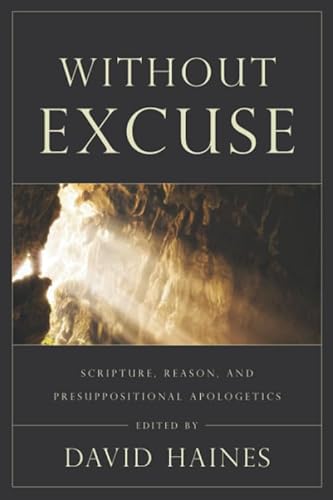
- Clear introduction to presuppositional apologetics
- Strong focus on Scripture and reason
- Useful for study, discipleship, and small groups
Best For: Christians, students, and church groups seeking a Scripture-centered apologetics foundation.
Best for Presuppositional Method
God Does Exist!: Presuppositional Apologetics

- Blends presuppositional and evidential approaches
- Focuses on worldview defense and the impossibility of the contrary
- Suited to readers seeking a direct Christian apologetics resource
Best For: Readers who want a focused apologetics book that pairs presuppositional reasoning with evidence.
Best Catechism Format
Fully Convinced: A Catechism of Presuppositional Apologetics

- Q&A structure supports memorization and review
- Useful for teaching, study groups, and self-study
- Focused introduction to presuppositional apologetics
Best For: Students, church groups, and readers who want a structured introduction to presuppositional apologetics.
Best for Teens
Presuppositional Apologetics for Teens

- Student and leader guides included
- Teen-friendly format for group study
- Good fit for church or homeschool use
Best For: Teens, parents, and leaders wanting a guided introduction to presuppositional apologetics.
Best Simple Pick
Presuppositional Apologetics for Teens

- Teen-focused introduction to presuppositional apologetics
- Practical, confidence-building faith defense approach
- Useful for personal study, youth group, or school use
Best For: Teens who want an accessible introduction to presuppositional apologetics.
Best for Doctrinal Clarity – Presuppositional Apologetics: Stated and Defended
If you want one of the more direct presuppositional apologetics books for understanding the method from a Reformed perspective, this title is a solid pick. It is geared toward readers who want a focused, argument-driven treatment rather than a broad survey.
Best For: Readers who want a concise, serious introduction to presuppositional apologetics and its defense.
Pros:
- Clearly presents the presuppositional approach
- Useful for study, discussion, or reference
- Appeals to readers wanting a Reformed framework
Cons:
- May feel dense for complete beginners
- More specialized than general apologetics titles
As a niche entry among presuppositional apologetics books, it stands out for readers who value doctrinal precision and a direct defense of the approach. If you already know you want presuppositional material, this is the kind of book that gets to the point quickly.
Best For Classic Christian Defense – Christian Apologetics 2nd Ed
If you want a solid, traditional introduction to Christian worldview defense, this title is a practical pick among presuppositional apologetics books. It’s geared toward readers who want clear reasoning, biblical grounding, and a classroom-friendly structure rather than a highly specialized debate manual.
Best For: Students, church members, and first-time readers who want a straightforward apologetics foundation with a presuppositional lean.
Pros:
- Provides a clear overview of core apologetics questions
- Accessible for readers building confidence in Christian defense
- Useful as a study resource for church or small-group settings
Cons:
- May feel more introductory than advanced readers want
- Less focused than books devoted only to presuppositional method
As a roundup option, it makes sense if you want a dependable starting point that bridges general apologetics and presuppositional apologetics books. It’s not the most technical choice, but it offers a balanced path for readers who want clarity before diving deeper.
Best for Reformed Debates – We Destroy Arguments
We Destroy Arguments: How presuppositional Apologetics empowers the believer to refute unbelief
Check Price On AmazonIf you want presuppositional apologetics books that go beyond theory, this title is built to help believers answer objections with a clear, Scripture-first approach. It focuses on showing how Christian worldview commitments shape every argument, making it useful for readers who want practical tools for real conversations.
Best For: Christians, students, and ministry leaders who want a direct introduction to presuppositional apologetics and a sharper framework for engaging unbelief.
Pros:
- Accessible introduction to a distinctly presuppositional method
- Practical emphasis on refuting unbelief in conversation
- Useful for personal study, small groups, and ministry training
Cons:
- May feel niche if you prefer broad apologetics surveys
- Assumes interest in a Reformed theological framework
As a roundup choice among presuppositional apologetics books, this one stands out for its combative, conviction-driven angle and its focus on helping believers think and respond biblically under pressure.
Best for Scripture-Centered Defense – Expository Apologetics
If you want presuppositional apologetics books that move beyond debate tactics and show how to answer objections from the Bible itself, this title is a strong fit. It is especially useful for readers who prefer a clear, pastoral approach that keeps the authority of Scripture front and center.
Best For: Christians, pastors, and students who want an apologetics resource focused on using the power of the Word to answer common objections.
Pros:
- Centers apologetics on Scripture rather than argument-first methods
- Practical for teaching, discipleship, and conversational use
- Accessible style that works well for a broad Christian audience
Cons:
- Less suited to readers wanting a heavily technical philosophy-driven approach
- May feel too Bible-focused for those seeking more evidential detail
As one of the more Scripture-forward presuppositional apologetics books, this volume is a smart pick if you want a framework for answering objections without drifting away from biblical authority. It is a good match for readers who value clarity, application, and a Word-centered defense of the faith.
Best for Beginners – Only Believe: Easy Guide to Presuppositional Apologetics
If you’re comparing presuppositional apologetics books and want a straightforward starting point, this guide is built to make the approach easier to understand and apply. It aims for clarity over academic density, which makes it useful for readers who want a practical introduction without getting lost in jargon.
Best For: Newcomers, small-group readers, and self-starters who want an approachable primer on presuppositional apologetics.
Pros:
- Easy-to-follow structure for first-time readers
- Practical tone that favors clarity over complexity
- Helpful starting point for understanding the basics
Cons:
- May feel too introductory for advanced readers
- Less suited to those seeking a deeply technical treatment
Overall, this is a solid entry-level pick among presuppositional apologetics books if you want a readable guide that helps you build confidence before moving on to more demanding works.
Best for Biblical Worldview Foundation – Without Excuse: Scripture, Reason, and Presuppositional Apologetics
If you want one of the more thoughtful presuppositional apologetics books for building a confident Christian worldview, this title is a solid pick. It focuses on the relationship between Scripture and reason, making it useful for readers who want a clearer framework rather than just quick debate tactics.
Best For: Christians, students, and church groups looking for a Scripture-centered introduction to presuppositional apologetics.
Pros:
- Explores the core presuppositional framework in a clear, accessible way
- Connects biblical authority with practical reasoning and apologetic method
- Well suited for personal study, discipleship, or group discussion
Cons:
- May feel more theoretical than debate-focused readers expect
- Better for worldview formation than for quick-reference answers
Overall, this is a strong choice if you want presuppositional apologetics books that prioritize theological foundations and careful thinking over flashy arguments. It is especially helpful for readers who want to understand why Scripture shapes the apologetic starting point.
Best for Presuppositional Method – God Does Exist!: Presuppositional Apologetics
If you want a practical entry in presuppositional apologetics books, this title brings together worldview reasoning, evidential support, and the idea of the impossibility of the contrary in a format aimed at defending Christian faith clearly and directly.
Best For: Readers who want a focused, faith-defense book that blends presuppositional apologetics with evidential arguments for everyday study or ministry use.
Pros:
- Combines presuppositional reasoning with evidence-based apologetics
- Aims at a clear, defense-oriented presentation of the Christian faith
- Useful for readers comparing different presuppositional apologetics books
Cons:
- May feel more niche than broader introductory apologetics titles
- Strongly targeted toward readers already interested in worldview-based argumentation
Overall, this is a solid pick if you want presuppositional apologetics books that emphasize both philosophical confidence and practical argumentation, especially when you prefer a direct approach to defending the faith.
Best Catechism Format – Fully Convinced: A Catechism of Presuppositional Apologetics
If you want presuppositional apologetics books that are easy to work through and teach from, this catechism-style volume is built for memorization, discussion, and structured study. It’s a practical pick for readers who want a clear Q&A format instead of a dense academic treatise.
Best For: Students, church groups, and readers who want a structured, question-and-answer introduction to presuppositional apologetics.
Pros:
- Catechism format makes core ideas easier to recall and review.
- Helpful for group study, teaching, or guided self-study.
- Focused on presuppositional apologetics rather than broad survey material.
Cons:
- Less suitable if you want a deep academic treatment or heavy footnoting.
- The format may feel too structured for readers who prefer narrative explanations.
As a compact, organized entry in presuppositional apologetics books, this title stands out for making a challenging subject feel more accessible without losing its doctrinal focus.
Best for Teens – Presuppositional Apologetics for Teens
Presuppositional Apologetics For Teens: Student and Leader Guide (Teen Apologetics)
Check Price On AmazonIf you’re comparing presuppositional apologetics books for a teen or youth group, this guide stands out for making a challenging worldview approach more accessible. It comes with both a student and leader guide, which makes it practical for families, church small groups, and co-op settings.
Best For: Teens, youth leaders, and parents who want a structured, discussion-friendly introduction to presuppositional apologetics.
Pros:
- Includes both student and leader materials for easier teaching
- Designed specifically for teens, so the tone is age-appropriate
- Works well for group study, homeschool, or church use
- Focuses on a clear, guided learning format
Cons:
- More specialized than a general apologetics overview
- May be too structured for readers who want a casual read
Overall, this is a strong pick if you want presuppositional apologetics books that can actually be used in a teaching setting rather than just read independently. The dual-guide format makes it especially useful for led discussions and repeatable study.
Best Simple Pick – Presuppositional Apologetics for Teens
If you’re comparing presuppositional apologetics books for a teen, this title stands out for its student-friendly focus and practical guidance. It aims to help young readers defend their faith with clarity, confidence, and courage without getting lost in academic jargon.
Best For: Teens who want an approachable introduction to presuppositional apologetics and a faith-defense resource they can actually use.
Pros:
- Written specifically for teens, so the tone should feel more accessible than many adult apologetics books.
- Centers on practical defense of the faith rather than dense theory alone.
- Good fit for personal study, youth group discussion, or Christian school supplement use.
Cons:
- May be too introductory for readers already familiar with presuppositional method basics.
- Narrow audience focus means it’s less ideal if you want a broader apologetics overview.
As a teen-focused option, this is a smart pick if you want presuppositional apologetics books that prioritize clarity and confidence over complexity. It looks best suited to younger readers who need a practical, faith-building starting point.
How We Picked These Presuppositional Apologetics Books
We focused on books that clearly explain the presuppositional method, stay anchored in Scripture, and serve different reader levels. Priority went to titles that are readable, biblically grounded, and useful for actual conversations, classes, or personal study. We also looked for a balanced mix of introductory, intermediate, and teen-friendly options.
Quick Comparison of the 10 Books
As a group, these books cover several needs: some are best for first-time readers who want a simple framework, some are more rigorous for students who want a stronger defense of the method, and others are designed for younger readers or family discipleship. If you want a broad overview, start with a beginner-friendly title; if you want a more formal treatment, choose a book that emphasizes argumentation, worldview analysis, and biblical reasoning.
Key Buying Factors for Presuppositional Apologetics Books
Clarity of Method
Look for books that explain not just what presuppositional apologetics is, but how it works in real discussions. The best titles make the starting assumptions, use of Scripture, and critique of unbelieving worldviews easy to follow.
Scripture and Reason in Balance
Strong Presuppositional Apologetics Books should not treat reason as optional. Instead, they show how biblical authority and careful reasoning work together. That balance matters whether you are studying doctrine, engaging skeptics, or teaching others.
Reading Level and Audience
Some books are written for pastors, teachers, or advanced students; others are built for teens or lay readers. Match the book to your current experience level so you get a resource that builds confidence instead of overwhelm.
Practical Use
Consider whether you want a catechetical format, a conversational guide, a more academic defense, or a teen discipleship resource. The best fit depends on whether you are reading alone, leading a study group, or helping a young believer prepare for questions.
Who Should Buy Which Presuppositional Apologetics Books?
Beginners should choose the clearest, most accessible option first. Teens and parents will benefit most from student-oriented guides that make the material concrete and age-appropriate. If you want a deeper theological or philosophical challenge, select a title that emphasizes worldview critique and defense of the faith with more structure and detail. For classroom, church, or mentorship settings, a concise, practical resource is often the easiest to use consistently.
In short, the best Presuppositional Apologetics Books are the ones that fit your level, support Scripture-first thinking, and help you answer unbelief with both conviction and clarity.