Finding the right Christian parenting books for screen time can help families move from conflict to confidence.
These picks focus on faith, family connection, and realistic steps you can actually use at home.
Best 10 Christian Parenting Books for Screen Time Picks for 2026
Framework for Tech-Savvy Christian Homes
The Digital Parenting Guidebook

- 7-step framework for Christian families
- Combines research with biblical principles
- Addresses screen addiction and online danger
Best For: Parents who want a practical plan for safer, wiser tech use
Teen Connection and Truth

- Targets parents of teens
- Pairs biblical truth with practical practices
- Includes a free 9-session video series
Best For: Parents of teens who need help reconnecting in a screen-heavy world
Family Rhythms Over Devices

- Focuses on wisdom, character, and courage
- Uses Barna Group research
- Gives practical daily tech disciplines
Best For: Families who want a deeper, values-based approach to technology
Confident Parenting in Screens

- Useful for toddlers through teens
- Covers cyberbullying, grooming, and pornography
- Includes practical parent action sections
Best For: Parents wanting reassuring, stage-spanning screen guidance
Digital Parenting Basics

- Covers screen time, safety, and phone readiness
- Includes tips for tech talks and household rules
- Short 98-page guide for busy parents
Best For: parents wanting a concise, practical screen-time guide
Faith-Based Tech Habits
5 Habits of the Tech-Ready Family
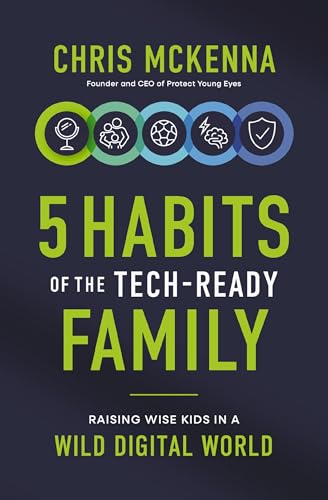
- Five-habit framework for digital parenting
- Biblical, science-informed guidance for families
- Covers tough topics like sextortion and AI
Best For: Christian families wanting a biblically grounded tech plan
Children’s Picture Book
Polly and the Screen Time Overload
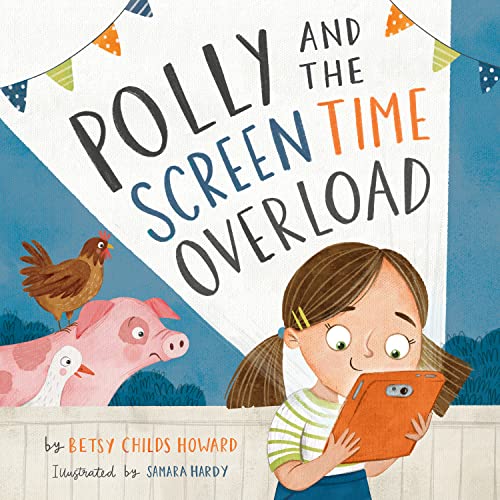
- Picture book about tech boundaries for ages 3–7
- Simple story with a note to grown-ups
- Focuses on moderation, self-control, and discernment
Best For: young children who need an early lesson on screen-time boundaries
Evidence-Based Tech Boundaries
10 Rules for Raising Kids in a High-Tech World

- 10 clear rules for tech boundaries
- Includes no-phone and no-social-media ideas
- Short, practical, and research-driven
Best For: Parents who want a straightforward, evidence-based screen-time guide
Family Conversation Guide

- Conversation-first approach to screen limits
- Covers phones, bedrooms, and social media
- Practical guidance on parental controls
Best For: Parents who want help discussing screens wisely with kids
Relational Skills and Screen Balance

- Focuses on five key relational skills
- Combines stories, science, and wisdom
- Revised edition with updated research
Best For: Families who want screen limits tied to healthier relationships
Framework for Tech-Savvy Christian Homes – The Digital Parenting Guidebook
The Digital Parenting Guidebook: 7 Essential Steps for Building the Tech-Savvy Christian Family
Check Price On AmazonIf you’re looking for christian parenting books for screen time that pair biblical principles with a practical plan, this guidebook offers a clear 7-step framework. It focuses on the real risks parents worry about—anxiety, depression, pornography, online predators, and screen addiction—while still helping families use technology wisely.
Best For: Christian parents who want an easy-to-apply, research-informed plan for protecting kids online.
Pros:
- Uses a 7-step process that is designed to be approachable and practical.
- Blends research-based guidance with enduring biblical principles.
- Addresses major digital risks including screen addiction and online safety.
- Written specifically for families wanting to keep the benefits of technology.
Cons:
- Centered on risks, so it may feel more cautionary than light reading.
- Best suited to families who want a structured framework rather than a broad theology of tech.
Overall, this is a timely option for parents who want a direct, step-by-step resource for navigating screens in a Christian home. Its strength is the combination of urgency, clarity, and practical application.
Teen Connection and Truth – Screens and Teens
For readers searching for christian parenting books for screen time, this title is aimed squarely at families feeling the strain of teen technology use. It helps parents understand how screen time can crowd out family connection and offers biblical truths, helpful practices, and real-life stories to support healthier habits.
Best For: Parents of teens who want biblical guidance and practical help for rebuilding connection.
Pros:
- Focuses specifically on teens and the parent-child relationship.
- Explains technology’s influence in a relatable, easy-to-understand way.
- Offers biblical responses alongside helpful practices.
- Includes a free 9-session video series with the book.
Cons:
- Less broad than books that cover the whole family life cycle.
- Best fit for teen parents, so it may be less relevant for those with younger children.
Overall, this book stands out for parents who want encouragement as well as action steps. The added video series makes it especially useful if you like to learn chapter by chapter.
Family Rhythms Over Devices – The Tech-Wise Family
The Tech-Wise Family: Everyday Steps for Putting Technology in Its Proper Place
Check Price On AmazonIf you want christian parenting books for screen time that go beyond limits and filters, this one emphasizes character, wisdom, and family rhythms. Andy Crouch focuses on shaping a healthier home life by putting technology in its proper place and helping families prioritize what matters most.
Best For: Christian families that want a whole-home approach to technology, not just screen rules.
Pros:
- Goes beyond screen-time limits to address family mission and character.
- Built on original research from Barna Group.
- Offers practical daily disciplines and rhythms for healthier tech use.
- Centers the home on wisdom, creativity, and meaningful relationships.
Cons:
- More reflective and framework-driven than quick-fix advice.
- May feel broader than parents who only want immediate screen rules.
Overall, this is a strong pick for families wanting a deeper reset in how technology fits into daily life. It is especially useful if your goal is long-term formation, not just device management.
Confident Parenting in Screens – Left to Their Own Devices?
For parents comparing christian parenting books for screen time, this book offers practical help for both younger children and teens. Katharine Hill addresses screen time, social media, consumer culture, cyberbullying, grooming, and pornography with a readable, family-focused approach.
Best For: Parents who want practical, reassuring guidance for children of any age in a digital world.
Pros:
- Covers both toddlers and teens, making it useful across stages.
- Addresses common concerns like social media, cyberbullying, grooming, and pornography.
- Includes practical sections such as “What parents can do” and “When things go wrong.”
- Uses stories, research, and a warm, readable tone.
Cons:
- More comprehensive than concise, so it may take time to work through.
- Some readers may prefer a more explicitly step-by-step framework.
Overall, this title is a strong all-around choice for parents who want confidence rather than panic. Its practical suggestions make it especially helpful for applying ideas immediately at home.
Digital Parenting Basics – Screen Time Sanity
If you’re looking for christian parenting books for screen time that help you feel more confident without overwhelming you, Screen Time Sanity offers a straightforward guide to parenting kids in today’s digital world. It covers practical topics like online safety, screen time recommendations, smartphone readiness, family tech rules, and how to talk about apps and gaming in ways that fit real family life.
Best For: Parents who want a compact, practical introduction to screen-time boundaries, app choices, and safer tech habits for kids.
Pros:
- Addresses key concerns like online safety and parental control tools.
- Includes guidance on household tech rules and talking tech with kids.
- Covers popular kid concerns such as Minecraft, social media, and app choices.
- Short, manageable length at 98 pages.
Cons:
- Not a deep-dive resource for long-term digital parenting strategy.
- May feel broad if you want highly detailed age-by-age guidance.
This is a useful pick if you want a quick, practical starting point for setting screen-time habits and making everyday tech decisions with more confidence.
Faith-Based Tech Habits – 5 Habits of the Tech-Ready Family
For families comparing christian parenting books for screen time, 5 Habits of the Tech-Ready Family stands out as a faith-based, science-informed guide for raising wise kids in a digital world. It focuses on five simple habits, brain development, and a five-layered pyramid of protection, with practical help for topics like pornography, sextortion, and AI companions.
Best For: Christian parents who want a biblically grounded framework for building safer, healthier digital habits at home.
Pros:
- Built around five simple habits that aim to move parents from overwhelmed to prepared.
- Draws on science, deep experience, and biblical truth.
- Includes age-appropriate guidance for hard conversations like pornography and sextortion.
- Offers a layered approach to protection in the home.
Cons:
- Publication date is listed for 2026, so availability may be limited.
- The focus is broader digital safety, not just basic screen-time limits.
If you want more than quick rules and prefer a values-driven framework, this book looks like a strong fit for shaping long-term family tech habits.
Children’s Picture Book – Polly and the Screen Time Overload
If you need christian parenting books for screen time that work for younger children, Polly and the Screen Time Overload uses a simple story to teach boundaries with technology. In the book, Polly spends her farm visit glued to her tablet, and a conversation with her grandfather helps show that screen time can be good but should stay within limits.
Best For: Parents, grandparents, and teachers looking for a picture book that introduces screen-time moderation to children ages 3–7.
Pros:
- Uses a child-friendly story to explain moderation with tech.
- Includes a “Note to Grown Ups” with tips for helping kids practice self-control.
- Targets preschool and early elementary ages with simple language and illustrations.
- Connects screen-time lessons to broader moral formation and discernment.
Cons:
- Best suited for younger children, not older kids or teens.
- More of a teaching tool than a comprehensive parenting guide.
This is a solid choice if you want a gentle, visual way to start conversations about tech boundaries with little ones.
Evidence-Based Tech Boundaries – 10 Rules for Raising Kids in a High-Tech World
If you’re comparing christian parenting books for screen time, this one is a practical, research-driven option for families who want clear limits without a lot of guesswork. Jean Twenge lays out 10 actionable rules, including ideas like no social media until 16 and no-phone zones in bedrooms and at family dinners, so parents can build healthier habits around phones, gaming, and social media.
Best For: Parents who want an evidence-based, straightforward guide to setting firm screen-time boundaries.
Pros:
- Offers 10 concrete rules that are easy to understand and apply.
- Grounded in the author’s psychology background and research on technology and mental health.
- Short format makes it accessible for busy parents.
- Includes practical ideas like no-phone zones and delayed social media use.
Cons:
- Focuses more on boundaries than on faith-based parenting framework.
- May feel strict for families looking for a softer, discussion-first approach.
Overall, this is a strong pick for parents who want clear, actionable guidance on reducing tech overload and helping kids become more independent and well-rounded.
Family Conversation Guide – Parenting Generation Screen
For buyers searching for christian parenting books for screen time, this title stands out for its conversation-first approach. Jonathan McKee focuses on helping parents guide kids toward wisdom in a digital world, with practical questions and discussions about phone age, bedroom access, social media, parental controls, and the impact of screens on sleep and mental health.
Best For: Parents who want practical, faith-friendly help starting healthier screen-time conversations with kids and teens.
Pros:
- Prioritizes connection over correction.
- Addresses common parent questions about phones, bedrooms, and social media.
- Includes practical guidance on parental controls and boundaries.
- Written by an author who speaks on technology and parenting and has three children of his own.
Cons:
- More focused on discussion and guidance than on strict rule-setting.
- Parents wanting a highly prescriptive plan may want something more direct.
This is a solid choice if you want a readable, practical resource that helps you talk through screen limits instead of only policing them.
Relational Skills and Screen Balance – Screen Kids
If you’re narrowing down christian parenting books for screen time, this revised edition offers a balanced mix of wisdom, stories, and research. Gary Chapman and Arlene Pellicane focus on helping parents take back the home from overdependence on screens while teaching five key relational skills: affection, appreciation, anger management, apology, and attention.
Best For: Parents who want a family-centered guide that connects screen limits with healthy relationships.
Pros:
- Centers on five practical relational skills kids need.
- Includes stories, science, and wisdom for a well-rounded approach.
- Offers simple boundaries and warning signs to watch for.
- Revised edition includes updated research and interactive assessments.
Cons:
- May be less direct if you want a highly structured screen-time plan.
- Some readers may prefer a more age-specific guide.
This book works well for families who want screen-time guidance tied to character, relationships, and everyday home life rather than rules alone.
How We Picked the Best Christian Parenting Books for Screen Time
We prioritized books that speak directly to Christian parents navigating devices, gaming, social media, and constant connectivity. Strong selections offer practical habits, age-aware advice, and a biblical perspective without sounding outdated or overly alarmist.
We also looked for a mix of parent-facing guides and child-friendly titles, so families can choose resources that fit their kids’ ages and their current screen challenges.
Quick Comparison
Some books are best for building a whole-family tech framework, while others are better for parenting tweens and teens, or for starting conversations with younger children. If you want a broad household reset, choose a family systems book. If you need help with phones, social media, or gaming, choose a book with more direct guidance for older kids.
Key Buying Factors for Christian Parenting Books for Screen Time
Age Range and Family Stage
Match the book to your child’s developmental stage. Parents of younger children often need simple boundaries and shared routines, while parents of teens usually need help with trust, accountability, and digital independence.
Practicality
The best Christian Parenting Books for Screen Time turn principles into habits. Look for clear next steps such as device rules, family plans, conversation prompts, and ideas for replacing passive scrolling with healthier rhythms.
Faith Integration
Some readers want books that explicitly connect screen habits to discipleship, wisdom, and stewardship. Others prefer a lighter touch with Christian values woven into everyday parenting advice. Choose the level of faith emphasis that fits your family.
Digital Specificity
Not all screen issues are the same. A strong buying choice addresses the problems you care about most, whether that is binge-watching, smartphone dependence, social media pressure, gaming, or general tech overuse.
Who Should Buy Which Christian Parenting Books for Screen Time?
If you want a whole-family reset, look for a book centered on tech habits and household culture. If you need help with teens, choose a title that tackles communication, boundaries, and relational trust. If you are buying for younger kids, a simpler, story-driven, or habit-based book may be the easiest place to start.
For most families, the best choice is the book that fits your current pain point and gives you a plan you can implement this week, not just a theory to consider later.