Adoption brings joy, complexity, and plenty of questions. The best books can help Christian parents respond with wisdom, patience, and grace.
This roundup highlights thoughtful, family-friendly picks that blend biblical encouragement with practical guidance for real adoption challenges.
Best 10 Christian Parenting Books for Adopted Children Picks for 2026
Hope & Support for Foster Parents

- Gospel-centered encouragement from a foster parent.
- Addresses daily challenges and heart burdens.
- Easy-to-read chapters with practical lessons.
Best For: Christian foster parents needing honest encouragement and practical help
Raw & Redemptive Adoption

- Transparent look at the hard side of adoption.
- Combines pastoral insight and personal experience.
- Short, focused, and redemptive in tone.
Best For: Adoptive parents seeking an honest, spiritually grounded read
Trauma-Informed Attachment Guide

- Focuses on trust, attachment, and healing.
- Practical scripts for everyday parenting.
- Built on TBRI principles and clinical research.
Best For: Adoptive and foster parents needing trauma-informed attachment tools
Warm Picture Book for Adopted Kids
My Adopted Child, There's No One Like You

- Read-to-me picture book for ages 4 to 8.
- Affirms love, acceptance, and individuality.
- A simple, giftable choice for adopted children.
Best For: Families wanting a gentle read-aloud that affirms an adopted child
Adoption Journey Guide

- Memoir-plus-guidance format
- Honest foster-to-adoption perspective
- Helpful for decision-making and encouragement
Best For: Prospective adoptive or foster parents wanting a faith-centered, realistic journey book
Attachment and Love Tools

- Uses the 5 Love Languages® for adoption
- Practical help for bonding and support
- Covers spouse alignment and sibling rivalry
Best For: Adoptive parents seeking concrete ways to build attachment and daily connection
Attachment and Behavior Handbook
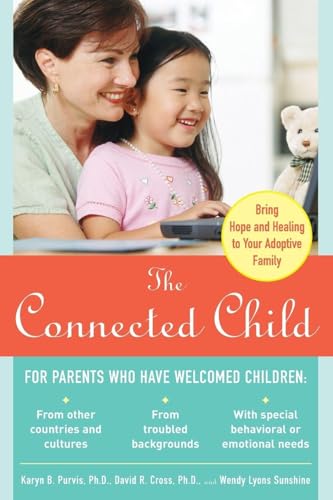
- Research-based adoption and attachment guidance
- Practical help for behavior challenges
- Focuses on calm, loving discipline
Best For: Parents who need hands-on support with attachment, trust, and behavior
Brain-Based, Trauma-Informed Guide
The Science of Parenting Adopted Children
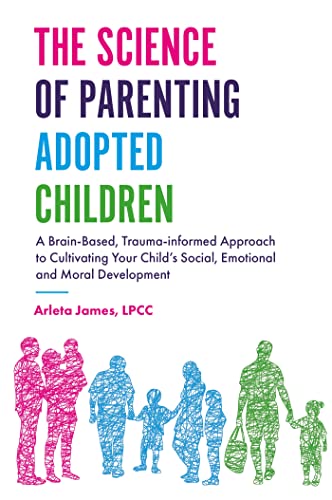
- Blends brain science with attachment theory.
- Focuses on social, emotional, and moral development.
- Explains trauma-informed support in parent-friendly language.
Best For: Adoptive parents seeking a science-based healing guide.
Practical Adoption Handbook
Raising Adopted Children, Revised Edition

- Covers bonding, disclosure, school, and adolescence.
- Includes open, international, and transracial adoption.
- Uses research from psychology, sociology, and medicine.
Best For: Parents who want a broad, practical adoptive parenting reference.
Sensitive Family Relationship Guide

- Focuses on emotional issues in adoption.
- Gives advice for a healthy parent-child relationship.
- Useful for adoptive families, prospective parents, and professionals.
Best For: Readers seeking a compassionate overview of adoption parenting.
Hope & Support for Foster Parents – Foster the Family
Foster the Family: Encouragement, Hope, and Practical Help for the Christian Foster Parent
Check Price On AmazonIf you’re looking for christian parenting books for adopted children that also speak to foster care realities, this title offers a grounded, gospel-centered perspective. Jamie C. Finn writes as a fellow foster parent, focusing on the emotional weight, daily challenges, and spiritual encouragement that come with caring for hurting children.
Best For: Christian foster parents who want honest encouragement, practical help, and biblical perspective for day-to-day caregiving.
Pros:
- Written by someone with firsthand foster parenting experience.
- Addresses both practical burdens and heart-level struggles.
- Offers biblical truths in an easy-to-read format.
- Includes honest personal stories that make the guidance feel real.
Cons:
- Focused on foster parenting, so it is not exclusively about adoption.
- More encouragement-oriented than step-by-step training.
This is a strong pick if you want a compassionate, realistic resource that acknowledges how hard foster care can be while still pointing back to hope.
Raw & Redemptive Adoption – After They Are Yours
For readers comparing christian parenting books for adopted children, this one stands out for its transparent look at the hard side of adoption. Brian Borgman combines pastoral insight, personal experience, and biblical wisdom to speak directly to the struggles adoptive parents may face after a child comes home.
Best For: Adoptive parents who want a short, honest, spiritually grounded book about the difficult realities of adoption.
Pros:
- Openly addresses struggles many adoptive parents are reluctant to discuss.
- Blends personal experience with biblical wisdom.
- Short length makes it accessible and focused.
- Offers a redemptive tone without pretending adoption is easy.
Cons:
- At 120 pages, it is more reflective than comprehensive.
- Not designed as a detailed parenting manual.
If you want a candid companion for the emotional realities of adoption, this book provides reassurance, realism, and a clear gospel lens.
Trauma-Informed Attachment Guide – The Connected Parent
This is one of the most practical christian parenting books for adopted children when the goal is building trust and attachment. Dr. Karyn Purvis and Lisa Qualls focus on trauma-informed strategies for children who have experienced loss, neglect, disrupted attachment, or other hard beginnings.
Best For: Adoptive and foster parents who want practical, trauma-informed tools for strengthening attachment and responding to challenging behavior.
Pros:
- Centered on attachment, trust, and healing relationships.
- Includes practical scripts and strategies for everyday interactions.
- Draws on Trust-Based Relational Intervention (TBRI) principles.
- Addresses fear, anxiety, insecurity, and difficult behaviors.
Cons:
- More specialized than a general Christian parenting book.
- Best suited to families dealing with trauma-related needs.
For parents who need actionable guidance, this book is a strong blend of research-backed tools and compassionate support.
Warm Picture Book for Adopted Kids – My Adopted Child, There's No One Like You
If you’re shopping for christian parenting books for adopted children that help you communicate love in a child-friendly way, this picture book is a simple option. Kevin Leman and Kevin Leman II created a read-to-me story that celebrates a child’s uniqueness, acceptance, and special place in the family.
Best For: Parents, grandparents, and caregivers looking for a gentle read-aloud book that affirms an adopted child’s identity and value.
Pros:
- Written as a read-to-me picture book for ages 4 to 8.
- Conveys love, acceptance, and individuality.
- Combines humor and artwork in a giftable format.
- Short length makes it easy to use at bedtime or story time.
Cons:
- Not a parenting guide or deep counseling resource.
- Best for younger children rather than older adoptees.
This is a thoughtful choice if you want a simple, affirming book that helps a child feel seen and celebrated.
Adoption Journey Guide – Building Your Forever Family
Building Your Forever Family: How God Changes Lives Through Adoption and Fostering
Check Price On AmazonIf you’re exploring christian parenting books for adopted children, this title offers a personal, practical look at what adoption and fostering can feel like in real life. Danise Rapetti blends memoir and advice to help readers move from fear to a clearer understanding of the adoption journey and what building a forever family can involve.
Best For: Parents or prospective parents who want an honest, faith-informed adoption and fostering story with practical encouragement.
Pros:
- Combines memoir and self-help in one approachable read.
- Gives an honest look at the good, the hard, and the in-between of fostering to adoption.
- Helpful for people trying to understand whether adoption or fostering is the right step.
Cons:
- More focused on the adoption decision and journey than on daily parenting tactics.
- At 125 pages, it is relatively brief.
This is a strong choice if you want a grounded, readable introduction to the emotional and practical side of creating a forever family.
Attachment and Love Tools – Loving Adopted Children Well
For readers comparing christian parenting books for adopted children, this resource stands out for its practical focus on love, bonding, and attachment. Built around The 5 Love Languages® framework, it gives adoptive parents concrete ideas for showing care, handling frustration, and strengthening connection at home.
Best For: Adoptive parents who want a faith-friendly, structured approach to bonding and emotional connection.
Pros:
- Applies the 5 Love Languages® specifically to adopted children.
- Addresses real family challenges like sibling rivalry and getting spouses aligned.
- Includes practical support for situations where bonding does not come naturally.
Cons:
- Most useful for families interested in the love languages framework.
- More focused on emotional connection than on broader adoption logistics.
This is a strong pick if your main goal is learning how to nurture attachment and communicate love in ways that fit adopted children’s needs.
Attachment and Behavior Handbook – The Connected Child
If you need christian parenting books for adopted children that focus on behavior, bonding, and healing, this classic handbook is built for exactly that kind of need. Written by adoption and attachment specialists, it offers calm, practical guidance for parents working through learning or behavioral challenges while trying to build trust.
Best For: Parents of adopted children who need practical, research-based help with attachment and behavior concerns.
Pros:
- Offers easy-to-follow advice for calming behavior problems.
- Written by research psychologists with adoption and attachment expertise.
- Emphasizes discipline with love and without making the child feel threatened.
- Widely praised as a practical resource for parents and professionals.
Cons:
- More clinical and handbook-like than devotional or story-driven.
- Originally published in 2007, so it is not the newest title in the group.
This is the best fit when your priority is actionable help for a child’s emotional or behavioral struggles, grounded in attachment-informed parenting.
Brain-Based, Trauma-Informed Guide – The Science of Parenting Adopted Children
If you’re looking for christian parenting books for adopted children that focus on healing, this title offers a practical, research-driven approach. It brings together brain science and attachment theory to help parents support a child’s social, emotional, and moral development after trauma and interrupted development.
Best For: Adoptive parents who want a trauma-informed, brain-based guide for helping a child heal and grow.
Pros:
- Connects brain science with attachment to explain healing in clear terms.
- Addresses social, emotional, and moral development in adopted children.
- Written for parents, with accessible explanations of neuroscience.
- Focuses on practical support for a traumatised child’s development.
Cons:
- More specialized and science-focused than a general parenting handbook.
- Best suited to readers interested in trauma and development research.
This is a strong choice if you want a thoughtful, evidence-based resource for understanding how early trauma can affect adopted children. It is especially useful for parents who want guidance that goes beyond basic advice and into the why behind healing and attachment.
Practical Adoption Handbook – Raising Adopted Children, Revised Edition
Raising Adopted Children, Revised Edition: Practical Reassuring Advice for Every Adoptive Parent
Check Price On AmazonAmong christian parenting books for adopted children, this revised edition stands out as a practical handbook for everyday questions. It draws on research in psychology, sociology, and medicine to help adoptive parents navigate bonding, telling a child about adoption, school concerns, and the added complexity of adolescence.
Best For: Adoptive parents who want clear, practical guidance across the full range of adoption-related parenting questions.
Pros:
- Covers open, international, and transracial adoption topics.
- Addresses common questions about bonding, disclosure, and school.
- Based on research from psychology, sociology, and medicine.
- Revised and updated for a wide range of adoptive family concerns.
Cons:
- Published in 1998, so some references may feel dated.
- More practical than deeply reflective or faith-centered.
This is a solid pick if you want a broad, reassuring reference that answers real-world adoptive parenting questions. Its strength is its straightforward coverage of the issues families face from early childhood through the teen years.
Sensitive Family Relationship Guide – Real Parents, Real Children
If you’re comparing christian parenting books for adopted children, this practical guide is aimed at helping families build a healthy, loving parent-child relationship. It focuses on the emotional issues adoptive parents may face and offers expert advice grounded in years of experience.
Best For: Adoptive families and professionals who want a sensitive, relationship-focused overview of adoption parenting.
Pros:
- Addresses the complex emotional issues of adoption with sensitivity.
- Offers practical advice for building a healthy parent-child relationship.
- Suitable for families considering adoption as well as current adoptive parents.
- Also useful for professionals in the field.
Cons:
- Older publication, so it may not reflect newer adoption research.
- Less detailed on specific modern adoption topics than newer guides.
This book is a dependable option if you want a thoughtful, relationship-centered resource rather than a highly technical manual. Its emphasis on emotional understanding and family connection makes it especially relevant for readers who want practical insight with a compassionate tone.
How We Picked These Christian Parenting Books for Adopted Children
We focused on books that are useful in everyday family life, especially for parents who want faith-based encouragement without losing sight of trauma, attachment, and developmental needs. Strong picks needed to offer practical strategies, clear language, and a perspective that respects both the spiritual and emotional realities of adoption.
We also favored books that fit different stages and situations, from newly adopted children to older kids and families navigating fostering, post-placement adjustment, or long-term attachment building.
Quick Comparison
Some titles lean more devotional and encouraging, while others are more hands-on and research-informed. If you want biblical reassurance, look first at the more pastoral books. If you need step-by-step help with behavior, trust, or emotional regulation, choose the trauma-informed and brain-based options. Families wanting a gentler, child-facing read may prefer the more affirming picture-book style titles.
Key Buying Factors for Christian Parenting Books for Adopted Children
Faith and Practicality
The best Christian Parenting Books for Adopted Children connect Scripture and prayer with realistic parenting tools. Look for titles that go beyond inspiration and explain what to do during meltdowns, transitions, grief, or attachment struggles.
Attachment and Trauma Awareness
Adopted children may carry loss, fear, or hypervigilance. Books that explain attachment, co-regulation, and trust-building tend to be the most helpful for long-term growth. This is especially important if your child experienced foster care, multiple placements, or early neglect.
Age and Family Stage
Match the book to your current needs. New adoptive parents often benefit from broad reassurance and foundational guidance, while seasoned parents may prefer more specific strategies for behavior, identity, or sibling dynamics. A family with young children will likely want different guidance than one parenting teens.
Readability and Tone
Choose a tone your family will actually use. Some parents want a warm devotional read; others need straightforward, clinical clarity. The best choice is the one you can return to, annotate, and apply in real life.
Who Should Buy Which Christian Parenting Books for Adopted Children?
If you want encouragement and biblical perspective, choose a more pastoral title. If your child has big trust or regulation needs, prioritize trauma-informed and science-based books. If you are looking for a gift, a gentler, hope-filled option is usually the easiest to share. And if you want a core library for the long haul, combine one faith-forward book with one practical parenting guide so you get both encouragement and actionable support.