Finding the right catechism book can make faith formation at home simpler, more consistent, and more age-appropriate. The best options balance clear questions and answers, Scripture support, and a format children can actually use.
Below, we focus on 10 standout catechism books for homeschool so you can choose a resource that fits your child’s age, your tradition, and how you want to teach.
Best 10 Catechism Books for Homeschool Picks for 2026
Comprehensive Kids’ Catechism Kit
The New City Catechism Curriculum

- 52 lessons for ages 8–11
- 30-, 45-, or 75-minute lesson options
- Includes books, resource pages, and downloads
Best For: Homeschool families who want a full, structured catechism curriculum
Gentle Early Memory Catechism
Truth and Grace Memory Book One

- For ages 2–9
- Includes catechism, Scripture memory, and hymns
- Compact 96-page homeschool aid
Best For: Young children and families wanting simple doctrine memory work
Affordable Catechism Booklet
The New City Catechism for Kids

- 52 questions with shorter answers
- Designed for ages 4–11
- Affordable stand-alone or companion booklet
Best For: Families wanting a simple, budget-friendly catechism booklet
Catholic Doctrine Classic

- Traditional Catholic question-and-answer format
- 33 lessons for First Communicants through fifth grade
- Includes Scripture exposure and practical application
Best For: Catholic homeschoolers wanting a classic elementary catechism
Starter Pick

- Simple, straightforward Reformed faith introduction
- 150 questions and answers for young children
- Includes coloring pages and progress numbers
Best For: Families wanting a first catechism for early homeschool lessons
Scripture Memory Choice

- 67 question-and-answer Scripture memory prompts
- Answers drawn directly from ESV verses
- Built for homeschool, family worship, and church use
Best For: Families who want a Bible-memory catechism for ages 5+
Illustrated Classic
The Illustrated Westminster Shorter Catechism
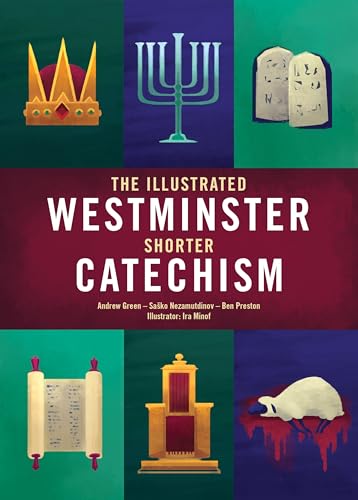
- Illustrated edition of the Westminster Shorter Catechism
- Includes glossary and Scripture proof index
- Ages 4 to 10 with sectioned presentation
Best For: Families wanting a visual, traditional catechism reference for young children
Toddler Starter Pick
My First Catechism: The Catholic Faith for Little Ones

- Board book for ages 2+
- Introduces prayers, holidays, and forgiveness
- Sweet illustrations and very short lessons
Best For: Preschool Catholic homeschoolers needing a gentle first catechism
Structured Q&A Choice
St. Joseph Catechism for Young Catholics No. 1

- Q&A format for memorization
- Built for Grades 1-2 and First Communion prep
- Covers core doctrines, prayers, and sacraments
Best For: Early elementary homeschoolers needing a structured Catholic catechism
Easy Reader Option
Simple Catholic Catechism for Kids: Teaching Kids the Catholic Faith

- Simple Q&A format for ages 5-12
- Covers Creed, sacraments, Commandments, and prayer
- Playful illustrations support young readers
Best For: Elementary homeschoolers who need a simple, broad catechism overview
Comprehensive Kids’ Catechism Kit – The New City Catechism Curriculum
If you want catechism books for homeschool that feel structured and ready-to-teach, this curriculum kit gives you a full 52-lesson plan built for children ages 8–11. It includes three pacing options for each lesson, Bible passages, memory verses, activity pages, and suggested prayers, so it works well when you want a more guided doctrinal study at home.
Best For: Homeschool families teaching older elementary students who want a complete, lesson-based catechism program.
Pros:
- 52 engaging lessons based on The New City Catechism
- Three session lengths: 30, 45, or 75 minutes
- Includes Bible passages, memory verses, and activity pages
- Kit comes with lesson volumes, a resource book, and 4 kids’ booklets
Cons:
- Designed mainly for ages 8–11, so it may be less ideal for younger children
- More of a curriculum kit than a simple standalone catechism book
This is the strongest pick if you want a homeschool catechism resource with a clear structure and ready-made teaching support. The included pacing options make it flexible, while the digital activity downloads help reduce prep work.
Gentle Early Memory Catechism – Truth and Grace Memory Book One
For catechism books for homeschool with a gentler preschool-and-early-elementary focus, this memory book is designed to help young children learn foundational truths in simple, manageable steps. It includes A Catechism for Boys and Girls along with suggested Scripture memory and hymns, making it a practical companion for family devotions or early faith instruction.
Best For: Families with children ages 2–9 who want a simple catechism and memory-work resource.
Pros:
- Built around a historic Baptist catechism
- Includes suggested Scripture memory and hymns
- Compact 96-page format for easy daily use
- Useful for parents, grandparents, and teachers
Cons:
- Focused on memory work rather than a full homeschool curriculum
- Best suited to younger children, not older students
This is a good choice if you want a small, practical catechism resource that supports regular repetition and early doctrine learning. Its simple format makes it easy to add to homeschool routines without much planning.
Affordable Catechism Booklet – The New City Catechism for Kids
If you’re looking for catechism books for homeschool in a simple, budget-friendly format, this 64-page booklet is made for children ages 4–11. It presents all 52 questions with shorter answers that are easier for kids to understand and memorize, which makes it a practical stand-alone resource or a companion to the full curriculum.
Best For: Homeschool families who want an affordable catechism booklet for younger children.
Pros:
- Contains all 52 catechism questions and child-friendly answers
- Designed for ages 4–11
- Affordable for individual use or bulk distribution
- Works alongside the full New City Catechism Curriculum
Cons:
- Booklet format is shorter and less detailed than the full kit
- Best when paired with a broader teaching plan
This is a smart pick if you want a low-cost catechism resource that is easy to hand out and easy for kids to memorize. It keeps the doctrine content clear and accessible without adding extra complexity.
Catholic Doctrine Classic – Baltimore Catechism One
For families seeking catechism books for homeschool within a Catholic framework, this classic question-and-answer text offers concise doctrine teaching with Scripture exposure and practical application. The 33 lessons are written for First Communicants through fifth graders, so it fits well when you want a straightforward, traditional introduction to the Catholic faith.
Best For: Catholic homeschoolers teaching elementary-aged children with a classic catechism text.
Pros:
- Traditional Baltimore Catechism content with a long teaching history
- Easy-to-read question and answer format
- Includes Scripture and practical application
- 33 lessons suited to younger elementary students
Cons:
- Best fit only for Catholic households
- Less visually or activity-driven than modern homeschool curricula
This is a dependable option if you want a concise, traditional catechism text rather than a packaged curriculum. Its simplicity and clear doctrinal structure make it easy to use consistently in a homeschool setting.
Starter Pick – Catechism for Young Children
If you want catechism books for homeschool that keep things simple and age-appropriate, this introduction to the Shorter Catechism is built for early learners. It uses 150 questions and answers in straightforward language, with illustrations to color and progress numbers that make it easy to use in short daily lessons.
Best For: Families looking for a gentle first catechism with built-in coloring and progress tracking for young children.
Pros:
- Simple, straightforward introduction to the Reformed faith
- 150 questions and answers for steady memorization
- Illustrations to color help keep younger children engaged
- Progress numbers make it easy to track lessons
Cons:
- Only 32 pages, so it is a brief resource
- Best suited to introductory use rather than in-depth study
This is a practical starting point if you want a compact catechism resource that fits well into a homeschool routine. It is especially useful when you need something clear, manageable, and designed for young children.
Scripture Memory Choice – Teach Me the Faith
For catechism books for homeschool that keep every answer anchored in Scripture, this Bible memory catechism is a strong fit. Designed for ages 5 and up, it uses 67 question-and-answer prompts with ESV verses, making it easy to fold into family worship, daily devotions, or a simple Bible lesson plan.
Best For: Homeschool families who want a Scripture-based catechism built around direct Bible memory.
Pros:
- Uses a question-and-answer format with 67 foundational questions
- Answers come directly from ESV Bible verses
- Designed for homeschool, family worship, and church use
- Suitable for ages 5 and up
Cons:
- Focused on Bible memory rather than a traditional catechism structure
- ESV-only format may not suit families using another translation
This book is a solid choice if your goal is to build doctrinal understanding through memorization of Scripture itself. It works especially well for families who want a repeatable, low-prep resource for daily discipleship.
Illustrated Classic – The Illustrated Westminster Shorter Catechism
If you’re comparing catechism books for homeschool and want a classic with visual appeal, this illustrated edition of the Westminster Shorter Catechism stands out. It presents the traditional questions and answers in a family-friendly format, with striking images, section breaks, a glossary, and Scripture proof references to support study.
Best For: Families who want an illustrated, reference-friendly version of the Westminster Shorter Catechism for ages 4 to 10.
Pros:
- Illustrated edition helps engage younger children
- Covers the full Westminster Shorter Catechism in sections
- Includes a glossary and index of Scripture proofs
- Designed for family libraries and homeschool use
Cons:
- At 128 pages, it may feel more formal than a beginner primer
- Better suited to families already interested in the Westminster catechism tradition
This edition works well when you want a more complete catechism resource that still feels approachable for children. The illustrations and study aids make it a good fit for regular homeschool reading and review.
Toddler Starter Pick – My First Catechism: The Catholic Faith for Little Ones
If you’re looking for catechism books for homeschool that work for very young children, this board book is an easy place to begin. It introduces basic prayers, holidays, and simple faith concepts like forgiveness with sweet illustrations and short, clear text for ages 2 and up.
Best For: Catholic homeschool families with preschoolers who need a gentle first introduction to the faith.
Pros:
- Board book format suits toddlers and young preschoolers.
- Covers basic prayers, holidays, and forgiveness in simple language.
- Sweet illustrations help keep early learners engaged.
- Short 32-page length makes it easy to use in brief lessons.
Cons:
- Too simple for older elementary students.
- Focuses on introductory concepts rather than deeper doctrine.
This is a practical first catechism choice when you want something age-appropriate, visual, and easy to fit into a homeschool routine. It is best viewed as an early faith foundation book rather than a full instructional program.
Structured Q&A Choice – St. Joseph Catechism for Young Catholics No. 1
St. Joseph Catechism for Young Catholics No. 1 [Paperback] Catholic Book Publishing Corp
Check Price On AmazonFor catechism books for homeschool that provide a more structured lesson path, this first volume is built for Grades 1 and 2. Its question-and-answer format covers foundational Catholic beliefs, prayers, and practices, making it a solid fit for first Communion preparation and family instruction.
Best For: Families homeschooling early elementary Catholic students who want a clear, orderly catechism text.
Pros:
- Designed for Grades 1 and 2 with first Communion prep in mind.
- Question-and-answer format supports memorization and review.
- Covers core topics like God, the sacraments, sin, grace, and the Church.
- Full-color illustrations and family-oriented presentation add appeal.
Cons:
- Volume 1 is only the first part of a larger series.
- Best suited to younger elementary students rather than older kids.
This book is a strong choice if you want something orderly, clearly Catholic, and easy to use alongside homeschool religion lessons. The imprimatur and conformity note in the description also make it appealing for families seeking a dependable catechism resource.
Easy Reader Option – Simple Catholic Catechism for Kids: Teaching Kids the Catholic Faith
Simple Catholic Catechism for Kids: Teaching Kids the Catholic Faith. With Questions & Answers.
Check Price On AmazonIf you want catechism books for homeschool that bridge the gap between picture books and a fuller text, this easy reader is a good middle option. It uses playful illustrations, simple language, and questions and answers to cover the Apostles’ Creed, the Trinity, the sacraments, the Ten Commandments, and prayer for children ages 5 to 12.
Best For: Homeschool families with early-to-middle elementary children who want a simple but broader Catholic overview.
Pros:
- Written in simple language with playful illustrations.
- Covers major Catholic teachings including the Creed, sacraments, and Commandments.
- Wide age range makes it useful across several elementary years.
- Question-and-answer format keeps lessons straightforward.
Cons:
- May be too basic for older students needing deeper study.
- Independent publication offers less institutional framing than some traditional catechisms.
This is a flexible pick for families who want a friendly, approachable catechism text that still touches on the essentials of Catholic belief. It works well as a first fuller catechism after toddler-level books or as a review resource for younger school-age children.
How We Picked These Catechism Books for Homeschool
We looked for books that work well in a home setting, where lessons are usually short, repeatable, and parent-led. Priority went to resources with clear Q&A structure, strong doctrinal alignment, age fit, and practical extras such as memory helps, illustrations, or curriculum support.
We also considered whether each title is better for a first introduction, ongoing memorization, or a more complete family faith formation plan. Since Catechism Books for Homeschool are used in different traditions, we included both Protestant and Catholic options.
Quick Comparison: What to Look for
For younger children, look for large print, short answers, and visuals that reduce frustration. For older elementary students, longer explanations and Scripture references can help build understanding. Some families want a simple stand-alone book, while others prefer a full kit or curriculum that includes lesson flow and teaching support.
- Best for memorization: short Q&A format with repetition-friendly structure
- Best for young kids: illustrations, simple wording, and brief lessons
- Best for deeper doctrine: books tied to a historic catechism or fuller framework
- Best for Catholic homes: titles aligned with Catholic teaching and vocabulary
- Best for Protestant homes: Westminster-based or Scripture-memory-centered options
Key Buying Factors for Catechism Books for Homeschool
Age and Reading Level
The right book should match your child’s attention span and reading ability. Preschool and early elementary learners usually do best with short answers and visual support, while older students can handle more detailed wording and doctrinal depth.
Doctrinal Fit
Make sure the book matches your church tradition or family convictions. A Catholic catechism, a Westminster catechism, and a Bible memory catechism may all be excellent tools, but they are built for different theological goals.
Teaching Style
Some families want a simple read-and-repeat approach. Others need structured lessons, review pages, or a curriculum kit that removes guesswork. Choose the format you can use consistently.
Durability and Usability
For homeschool use, sturdy binding, clear typography, and easy navigation matter more than glossy extras. A book that is simple to open, read, and review will usually get used more often.
Who Should Buy Which Catechism Books for Homeschool?
If you want a complete teaching resource, a curriculum kit is a strong choice. If you need a gentle starting point for very young children, look for simplified wording and picture-friendly editions. Families seeking historic Protestant instruction may prefer Westminster-based resources, while Catholic households should choose books specifically written for Catholic doctrine and prayer life.
For mixed-age learning, choose Catechism Books for Homeschool that can be used aloud with younger children and independently by older ones. The best pick is the one your family will return to week after week.