If you want to understand who Jesus is, books on Christology can help you move from broad theology into a focused study of Christ’s person and work.
Below, you’ll find a practical 2026 roundup designed to help beginners, students, pastors, and serious readers choose the right level of depth.
Best 10 Books on Christology Picks for 2026
Comprehensive Academic Christology
Christology: A Biblical, Historical, and Systematic Study of Jesus

- Biblical, historical, and systematic approach
- Updated second edition with broad scope
- Accessible for students and general readers
Best For: theology students and ministry trainees needing a balanced overview
New Testament-Focused Christology
An Introduction to New Testament Christology

- Centers on Jesus in the New Testament
- Concise and approachable introduction
- Written by a leading Catholic Bible scholar
Best For: readers seeking a Bible-centered introduction to Jesus' identity
Concise Doctrine Primer
Christology: The Study of Christ

- Brief guide to the central doctrine of Christianity
- Covers Old and New Testament texts
- Touches on historical controversies and theories
Best For: readers wanting a short, easy-to-read overview
Historical Jesus and Doctrine Survey
Who is Jesus?: An Introduction to Christology

- Connects historical Jesus study and doctrine
- Covers from the Jewish background to Chalcedon
- Includes New Testament christologies and soteriology
Best For: readers who want history and doctrine together in one introduction
Interactive Christology

- Interactive introduction to Jesus’ humanity and divinity
- Blends theology with spirituality and application
- Paperback, 368 pages
Best For: Readers wanting an engaging, devotional-friendly introduction to Christology
Systematic Doctrine
Systematic Theology, Second Edition

- Clear, scriptural explanations of doctrine
- Practical applications to daily life
- Thoroughly revised and expanded second edition
Best For: Readers who want a broad theology resource with substantial doctrinal coverage
Scholarly Reference
The Oxford Handbook of Christology

- 40 essays from authoritative contributors
- Covers biblical, historical, modern, and systematic Christology
- 688-page reference volume
Best For: Scholars, students, and readers seeking a comprehensive reference
Doing Christology
An Introduction to Christology: ...In the Gospels and Early Church

- Teaches Christology as an active process
- Based on biblical scholarship and the Gospels
- Useful for classes, groups, and self-study
Best For: Readers wanting an accessible, faith-centered introduction
Pauline Deep Dive
Pauline Christology: An Exegetical-Theological Study
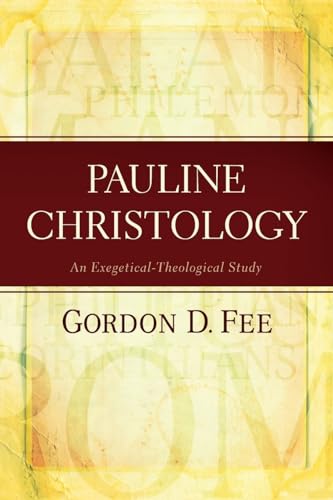
- Detailed study of Christ in Paul’s letters
- Combines exegesis with theological synthesis
- Includes major themes and appendices
Best For: Readers seeking a thorough academic Pauline study
Global Overview
Christology: A Global Introduction

- Surveys biblical, historical, and contemporary Christology
- Highlights global and contextual diversity
- Revised edition with updated theology
Best For: Those wanting a concise global introduction
Comprehensive Academic Christology – Christology: A Biblical, Historical, and Systematic Study of Jesus
If you want books on Christology that move beyond surface-level overviews, this updated edition offers a broad, careful study of Jesus from biblical, historical, and systematic angles. It is aimed at readers who want a balanced treatment that engages major scholarly questions without drifting into sensational claims.
Best For: theology students, ministry trainees, and general readers who want an accessible but serious Christology resource.
Pros:
- Covers biblical, historical, and systematic Christology in one volume
- Critically engages major scholarship and contemporary questions
- Accessible enough for students and interested general readers
- Updated second edition adds a revised treatment of key issues
Cons:
- More academic in scope than a quick introduction
- Best suited to readers willing to work through detailed theological questions
This is a strong choice if you want a well-rounded Christology book that stays anchored in orthodox Christian discussion while addressing difficult modern questions head-on.
New Testament-Focused Christology – An Introduction to New Testament Christology
For shoppers comparing books on Christology, this title keeps the focus tightly on the identity of Jesus in the New Testament. It is a practical option if you want a concise introduction that comes from a leading U.S. Catholic Bible scholar and stays centered on scriptural study.
Best For: readers who want a straightforward New Testament introduction to who Jesus is.
Pros:
- Focuses specifically on Christology in the New Testament
- Written by a leading U.S. Catholic scholar on the Bible
- Concise length makes it approachable
Cons:
- Less expansive than broader Christology surveys
- Publication date is older than some alternatives
If you want a compact, Bible-centered starting point, this book is a sensible pick for getting oriented without a heavy time commitment.
Concise Doctrine Primer – Christology: The Study of Christ
If you are looking for books on Christology that explain the basics clearly, this concise volume is built for quick orientation. It covers Old and New Testament texts, major historical controversies, and key theories about the life of Christ in a short, readable format.
Best For: readers who want a brief, straightforward primer on Christology.
Pros:
- Succinct overview of major Christology questions
- Covers both Old and New Testament texts
- Includes historical controversies and major theories
- Short length makes it easy to work through
Cons:
- Too brief for readers wanting deep scholarly detail
- Focuses on essentials rather than extended discussion
This is a practical pick if you want a compact Christology guide that explains the central doctrine without overwhelming length or complexity.
Historical Jesus and Doctrine Survey – Who is Jesus?: An Introduction to Christology
Among books on Christology, this introduction stands out for combining the historical Jesus questions with the development of doctrine. It walks through the Jewish background, the Jesus movement, the New Testament christologies, and the move from the New Testament period to Chalcedon, making it useful for readers who want both history and theology in one place.
Best For: readers who want a structured introduction that connects historical Jesus study with doctrinal development.
Pros:
- Includes the three quests for the historical Jesus
- Covers Jewish background, ministry, death, and resurrection
- Explains New Testament christologies and Chalcedon
- Written by a theology professor with broad teaching experience
Cons:
- More detailed than a very basic primer
- Best for readers interested in both historical and doctrinal questions
This is a solid choice if you want a Christology book that traces how early Christian confession developed from Jesus’ ministry through classic doctrine.
Interactive Christology – Fully Human, Fully Divine
If you’re comparing books on Christology and want something that balances theology with personal reflection, this interactive study of Jesus’ humanity and divinity is a practical place to start. It is written to be refreshing and accessible, while also connecting core Christology themes to spiritual life.
Best For: Readers who want an engaging, devotional-friendly introduction to Christology.
Pros:
- Introduces the humanity and divinity of Jesus in an interactive format.
- Blends solid theology with spirituality.
- Applies key Christology points to the reader’s spiritual life.
- Paperback format with 368 pages for a fuller study.
Cons:
- More focused on reflection than on technical academic debate.
- May feel less suitable for readers seeking a scholarly reference work.
This is a strong choice if you want a Christology book that is both substantive and personally applicable. Its biggest strength is the way it makes a major doctrine feel readable and spiritually useful.
Systematic Doctrine – Systematic Theology, Second Edition
For shoppers comparing books on Christology within a broader doctrine study, this revised systematic theology offers a clear, scriptural, and practical framework. It is designed to help readers understand Scripture and grow in Christian doctrine, with updated chapters and expanded discussion of major controversies.
Best For: Readers who want a broad theology resource that includes substantial doctrinal treatment.
Pros:
- Clear explanations with a strong emphasis on Scripture.
- Practical applications to daily Christian life.
- Thoroughly revised and expanded second edition with updated material.
- Covers many major theological controversies and doctrines.
Cons:
- It is a comprehensive systematic theology, not a Christology-only volume.
- May be more than some readers need if they want a narrow focus on Jesus alone.
This is the most expansive option here, especially if you want Christology situated within the full scope of biblical doctrine. Its clarity and breadth make it useful for both beginners and more advanced readers.
Scholarly Reference – The Oxford Handbook of Christology
If you need a serious reference among books on Christology, this handbook stands out for its wide scope and expert contributors. It brings together 40 essays on the theological study of Jesus Christ, spanning biblical, patristic, medieval, Reformation, modern, and systematic perspectives.
Best For: Scholars, students, and general readers who want a broad reference volume on Christology.
Pros:
- Includes 40 authoritative essays on Christology.
- Covers biblical, historical, modern, and systematic angles.
- Also explores music, poetry, and the arts.
- Large, in-depth volume with 688 pages.
Cons:
- Likely too dense for readers looking for a simple introduction.
- Best suited to reference use rather than casual reading.
This is the strongest pick for a comprehensive, multi-perspective overview of Christology. Its depth and range make it especially valuable when you want a serious handbook rather than a single-author treatment.
Doing Christology – An Introduction to Christology: …In the Gospels and Early Church
If you’re looking for books on Christology that combine biblical scholarship with a practical, reflective approach, this introduction stands out for teaching readers how to “do Christology.” It moves beyond definitions and helps you think through who Jesus is by engaging the Gospels, the early church, and the question of how Christ is understood today.
Best For: Adults, Bible study groups, and students who want an accessible introduction grounded in lived faith and early Christian interpretation.
Pros:
- Explains Christology as an active interpretive process, not just a topic to study
- Grounded in contemporary biblical scholarship and the Gospels
- Engages early church responses to Jesus for historical perspective
- Readable fit for university, seminary, and adult education settings
Cons:
- Less specialized than more technical scholarly Christology texts
- May feel broad if you want a narrow doctrinal focus
This is a strong pick if you want a Christology book that is reflective, accessible, and oriented toward understanding Jesus in both historical and present-day terms.
Pauline Deep Dive – Pauline Christology: An Exegetical-Theological Study
Among books on Christology, this volume is a focused choice if you want a detailed study of how Paul presents Christ across his letters. It offers an exegetical-theological approach that works letter by letter before drawing together a synthesis of Paul’s Christology, making it especially useful for readers who want depth and structure.
Best For: Seminary students, pastors, and serious readers who want a thorough study of Pauline Christology.
Pros:
- Detailed analysis of Paul’s letters individually
- Brings exegesis and theology together in one study
- Covers major themes like preexistence, incarnation, Messiah, and exalted Lord
- Includes discussion of Christ and the Spirit, plus helpful appendices
Cons:
- At 740 pages, it is a substantial commitment
- Best suited to readers comfortable with scholarly depth
If you want a serious academic treatment of Paul’s understanding of Christ, this is one of the most substantial options in the category.
Global Overview – Christology: A Global Introduction
If you want books on Christology that widen the lens beyond classic Western treatments, this revised introduction is a smart place to start. It surveys biblical, historical, and contemporary developments while highlighting global and contextual diversity, including perspectives from the Global South and North and from Abrahamic and Asian faith traditions.
Best For: Readers who want a concise, up-to-date introduction to Christology with a global perspective.
Pros:
- Covers biblical, historical, and contemporary Christology
- Highlights global and contextual diversity in theology
- Includes perspectives from multiple faith traditions
- Revised edition reflects recent theological developments
Cons:
- Broad survey format may not satisfy readers seeking deep specialization
- Shorter length means less room for extended analysis of each topic
This is a practical pick if you want a compact, current introduction that shows how Christians around the world understand Jesus Christ.
How We Picked These Books on Christology
We prioritized academic credibility, clarity, theological balance, and usefulness for real readers. That means selecting titles that range from accessible introductions to more advanced reference works, so the list works for different study goals and levels of background knowledge.
We also looked for books that handle core Christological questions well: the incarnation, Jesus’ humanity and divinity, biblical foundations, historical development, and major doctrinal debates.
Quick Comparison: Which Type of Reader Needs Which Book?
If you are new to the topic, start with an introductory or concise theology volume. If you want a stronger biblical focus, choose a New Testament or Gospel-centered study. For seminary-level work, a handbook or systematic theology text will usually provide the depth you need.
For readers tracing how early Christian thought developed, historical and patristic-oriented titles are especially useful. If your interest is narrower, such as Pauline theology, look for a specialized study instead of a general survey.
Key Buying Factors for Books on Christology
Scope and Difficulty
Some books explain Christology in plain language, while others assume theological training. Check whether the book is an introduction, a survey, or an advanced academic resource before buying.
Biblical Vs. Historical Vs. Systematic Approach
Not all Books on Christology emphasize the same angle. Biblical studies focus on passages and exegesis; historical works trace doctrinal development; systematic theology volumes organize teachings into a broader doctrinal framework. The best choice depends on how you want to study Jesus’ identity and significance.
Audience and Use Case
Consider whether the book is meant for personal reading, classroom use, sermon preparation, or research. A readable introduction may be ideal for lay study, while a dense handbook or exegetical work is better for advanced academic use.
Doctrinal Orientation
Christology can be treated from different theological traditions. If that matters to you, read the book description carefully to make sure its perspective aligns with your expectations.
Who Should Buy Which Books on Christology?
Beginners should choose a straightforward introduction with minimal jargon. Seminary students and pastors may benefit most from a balanced survey or a systematic theology text that connects Christology to the rest of doctrine. Advanced readers and researchers should look for handbook-level or specialized studies with stronger scholarly depth.
If you want one dependable strategy, match the book to your main question: “Who is Jesus?” calls for an introductory volume, “What does Scripture say?” points to a biblical study, and “How has the church understood Christ?” calls for historical or systematic works. That approach makes it easier to choose the right title from the available Books on Christology.