If you want a thoughtful, faith-based way to compare Christianity with major world religions, the right book can make a big difference. The best titles explain beliefs clearly, avoid confusion, and help you answer questions with confidence.
This roundup of apologetics books on world religions focuses on resources that are useful for students, church leaders, and everyday readers who want truth, clarity, and respectful engagement.
Best 10 Apologetics Books on World Religions Picks for 2026
Bridge-Building Study Guide
Christianity and World Religions Revised Edition

- Compares Christianity with Hinduism, Buddhism, Islam, and Judaism.
- Answers common questions about other religions from a Christian view.
- Includes updated six-week study materials and a leader guide.
Best For: Christians seeking a respectful, practical introduction to other faiths
Worldview Foundations Guide

- Builds a biblical worldview with a four-part evaluation framework.
- Compares Christianity with atheism, Islam, and other belief systems.
- Aims at beginners, students, teachers, and homeschool use.
Best For: Apologetics beginners and educators who want a structured worldview toolkit
Compact Comparison Tool
Comparing Christianity With World Religions

- Compares Christianity with Buddhism, Hinduism, Islam, Judaism, and tribal religion.
- Short, portable overview for everyday reference.
- Helpful for answering questions and sharing faith with others.
Best For: Readers wanting a brief comparison guide for evangelism or quick study
Major Religions Framework
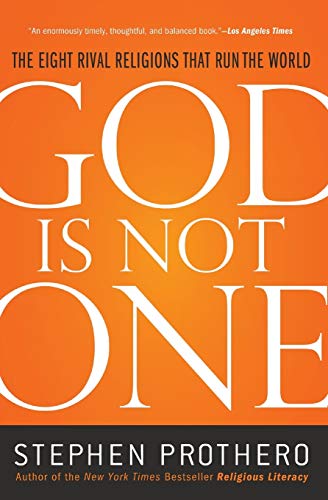
- Examines eight traditions, including Christianity, Islam, Buddhism, and atheism.
- Argues that religions should be compared by the problems they solve.
- Offers a substantial, in-depth comparative religion approach.
Best For: Readers seeking a deeper comparative look at religious diversity and doctrine
Counterfeits & Bible Authority

- Covers Mormonism, Islam, Jehovah's Witnesses, and more
- Explains how to witness and respond biblically
- Aimed at laymen, leaders, teachers, and students
Best For: Readers who want a thorough, Bible-centered apologetics reference
20-Worldview Comparison

- Explores 20 worldviews and religions
- Updated for a postmodern age
- Easy-to-understand comparison format
Best For: Anyone wanting a popular quick-reference comparison guide
Compact World Religions Guide
The Compact Guide To World Religions

- Covers origins, beliefs, and evangelistic opportunities
- Uses easy chapters and charts
- Compact and practical for quick reference
Best For: Readers who want a concise handbook for study and ministry
Dialogue-Based Apologetics for Curious Readers

- Dialogue format makes comparison easy to follow
- Covers Hinduism, Buddhism, Christianity, and Islam
- Raises exclusivism and inclusivism questions
Best For: Readers who like conversational apologetics and broad religious comparison
Fair-Minded Survey for Skeptical Readers
A Doubter's Guide to World Religions
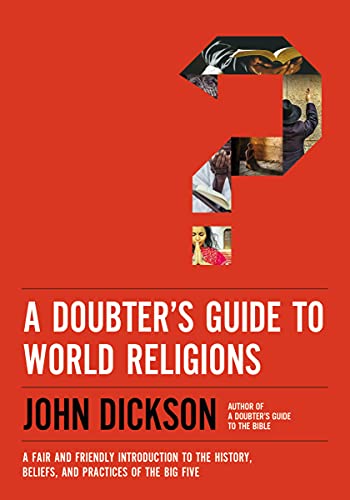
- Covers Hinduism, Buddhism, Judaism, Christianity, and Islam
- Friendly, accessible overview with a fair tone
- Includes bibliographies for deeper study
Best For: Believers and skeptics who want a readable overview of the big five religions
Illustrated Reference for Religious Studies
World Religions: The Great Faiths Explored and Explained

- Illustrated overview of major world religions
- Includes lesser-known religions and a history timeline
- Strong fit for classrooms and libraries
Best For: Visual learners and students who want a broad illustrated reference
Bridge-Building Study Guide – Christianity and World Religions Revised Edition
Christianity and World Religions Revised Edition: Questions We Ask About Other Faiths
Check Price On AmazonIf you’re looking for apologetics books on world religions that answer common questions without sounding combative, this revised edition offers a clear, practical overview of Hinduism, Buddhism, Islam, and Judaism alongside Christianity. It focuses on the questions many readers actually ask—why religions differ, how Christians should respond, and what it means to seek truth across traditions.
Best For: Christians who want a respectful, discussion-friendly introduction to major world religions and how they compare with Christianity.
Pros:
- Covers four major world religions in one concise volume.
- Addresses thoughtful questions about other faiths from a Christian perspective.
- Encourages bridge-building, peace, and gospel witness.
- Includes updated study components for a six-week format.
Cons:
- Short length may feel brief for readers wanting deeper academic detail.
- Focused on comparison and discipleship rather than exhaustive religious studies.
This is a strong fit if you want a readable, ministry-minded resource that helps Christians compare beliefs while thinking about real conversations with neighbors and seekers.
Worldview Foundations Guide – Worldview Review
For readers shopping for apologetics books on world religions, this guide leans into worldview formation and pre-apologetics rather than a traditional survey of religions alone. It compares Christianity, atheism, Islam, and other belief systems through a framework built around truth, morality, free will, and the trustworthiness of reason.
Best For: Beginners in Christian apologetics, students, teachers, and parents who want a structured framework for evaluating competing belief systems.
Pros:
- Uses a clear four-part framework for worldview analysis.
- Compares Christianity with atheism, Islam, and other systems.
- Blends philosophy, theology, Scripture, and narrative.
- Designed for apologetics beginners and classroom or homeschool use.
Cons:
- More focused on worldview formation than broad comparative religion coverage.
- May be best suited to readers comfortable with philosophical discussion.
If you want a resource that helps readers think through belief systems before diving into deeper apologetics, this one stands out for structure, clarity, and teaching usefulness.
Compact Comparison Tool – Comparing Christianity With World Religions
Comparing Christianity With World Religions: The Spirit of Truth and the Spirit of Error
Check Price On AmazonThis compact title is useful if you want apologetics books on world religions that give a quick comparison of key life beliefs. It contrasts Christianity with Buddhism, Hinduism, Islam, Judaism, and tribal religion, making it a handy overview for answering questions and sharing your faith.
Best For: Readers who want a brief, easy-to-carry comparison guide for evangelism or quick reference.
Pros:
- Summarizes several major religions in one short format.
- Useful for answering questions seekers may ask.
- Works as a quick reference for sharing the Christian faith.
- Portable size makes it easy to keep on hand.
Cons:
- Very short length limits depth and detail.
- Best for overview use rather than full study.
Choose this if you want something simple, compact, and directly focused on comparison rather than extended discussion.
Major Religions Framework – God Is Not One
If you want apologetics books on world religions with a broader religious-studies angle, this title offers a substantial introduction to eight major traditions, including Christianity, Islam, Buddhism, Judaism, Confucianism, Yoruba Religion, Daoism, and atheism. Its main argument is that religions should be compared by the distinct problem each one seeks to solve, not by assuming they are all the same path.
Best For: Readers who want a more in-depth, comparative look at religious diversity and doctrinal differences.
Pros:
- Covers eight major traditions across a wide religious landscape.
- Provides a clear framework for understanding doctrinal differences.
- Challenges the idea that all religions are essentially identical.
- Substantial length allows for more developed discussion.
Cons:
- More academic and less overtly devotional than some Christian-focused options.
- Not centered on a church-study or discipleship format.
This is a strong pick for readers who want depth, breadth, and a serious comparative-religion approach that pushes beyond surface-level similarities.
Counterfeits & Bible Authority – World Religions and Cults
If you’re comparing apologetics books on world religions, this volume is built for readers who want a clear, Bible-centered look at how major faiths and cults differ from Christianity. It covers Mormonism, Islam, Deism, Jehovah’s Witnesses, Zoroastrianism, and more, while also addressing how to witness to people in these groups and how to respond from a biblical authority perspective.
Best For: Laymen, church leaders, teachers, and students who want a thorough, scripturally grounded reference on false religions and cults.
Pros:
- Covers a wide range of religions and cults in one volume
- Addresses practical questions about witnessing and biblical authority
- Designed to help readers discern truth and guard their faith
- Useful for both study and ministry application
Cons:
- Focused on exposing false teachings, so it is not a neutral overview
- Heavier emphasis on comparison and discernment than on interfaith dialogue
- May feel detailed for readers wanting only a brief introduction
This is a strong pick if you want a substantial apologetics resource that directly connects religious comparison with gospel witness. Its practical focus and broad scope make it especially helpful for church and classroom use.
20-Worldview Comparison – So What's the Difference
For shoppers browsing apologetics books on world religions, this updated guide offers a straightforward comparison of 20 worldviews, faiths, and religions against orthodox biblical Christianity. It explains the basic tenets of major groups such as Judaism, Islam, Hinduism, Buddhism, Jehovah’s Witnesses, Christian Science, New Age, and Mormonism, making it easier to understand the differences and explain your faith.
Best For: Readers who want a popular, easy-to-understand comparison book for quick reference and everyday conversations.
Pros:
- Compares 20 worldviews, faiths, and religions
- Revised and updated for a postmodern audience
- Written in an easy-to-understand, nonjudgmental style
- Helps readers explain and share their faith with others
Cons:
- More of a broad overview than an in-depth theological study
- Some readers may want deeper coverage of each religion
- Best suited to comparison rather than advanced apologetic argumentation
This is a practical entry point for readers who want a widely used overview of how Christianity differs from other beliefs. Its concise format and updated approach make it a solid everyday apologetics handbook.
Compact World Religions Guide – The Compact Guide To World Religions
If you want apologetics books on world religions that are compact and practical, this handbook gives you a clear overview of the origins, basic beliefs, and evangelistic challenges and opportunities of the world’s major religions. It is organized in easy-to-use chapters and charts, which makes it a handy tool for understanding neighbors and the changing beliefs Christians encounter today.
Best For: Readers who want a concise handbook with chapter-and-chart formatting for quick study and ministry preparation.
Pros:
- Clear coverage of origins, beliefs, and evangelistic opportunities
- Easy-to-use chapters and charts for fast reference
- Designed for understanding major religions in a changing culture
- Compact format is practical for frequent consultation
Cons:
- Less expansive than larger reference books
- May not provide deep detail on each religion
- Best for overview and application rather than exhaustive study
This guide works well for readers who want a manageable introduction without sacrificing usefulness. It is especially appealing if you need a compact resource for ministry, study, or everyday cultural awareness.
Dialogue-Based Apologetics for Curious Readers – Between One Faith and Another
Between One Faith and Another: Engaging Conversations on the World's Great Religions
Check Price On AmazonIf you’re shopping for apologetics books on world religions, this one stands out for readers who want a fair-minded discussion without a dry textbook feel. Peter Kreeft uses a fictional classroom dialogue to compare Hinduism, Buddhism, Christianity, and Islam, making it easier to think through major religious claims and the question of whether religions can really be compatible.
Best For: Readers who like conversational apologetics and want a thoughtful introduction to the world’s major faiths.
Pros:
- Uses a dialogue format that keeps complex ideas approachable.
- Explores major religions and their distinctive claims side by side.
- Addresses exclusivism and inclusivism in a clear, practical way.
- Offers tools for thinking fairly and critically about competing beliefs.
Cons:
- The dialogue style may not suit readers who prefer a straightforward reference book.
- Covers broad themes rather than deep technical detail on each religion.
Overall, this is a smart pick if you want apologetics books on world religions that balance readability with serious comparison. It’s especially useful for readers who want to explore truth claims without feeling like they’re wading through an academic survey.
Fair-Minded Survey for Skeptical Readers – A Doubter's Guide to World Religions
For buyers looking for apologetics books on world religions, John Dickson’s guide is designed to be both accessible and balanced. It introduces Hinduism, Buddhism, Judaism, Christianity, and Islam in a friendly tone, outlining each tradition’s history, beliefs, and practices while also asking the big questions people bring to religion.
Best For: Believers and skeptics who want a fair, readable overview of the big five world religions.
Pros:
- Covers the five major world religions in a single volume.
- Presents each faith in a fair, engaging way.
- Includes history, doctrines, beliefs, and spiritual practices.
- Ends each section with a bibliography for further reading.
Cons:
- Broad coverage means it won’t satisfy readers wanting deep doctrinal detail.
- Its survey style may feel more introductory than argumentative.
This is a strong choice if you want a practical starting point before diving into more specialized apologetics books on world religions. It gives you enough structure to compare faiths carefully while keeping the tone approachable for first-time readers.
Illustrated Reference for Religious Studies – World Religions: The Great Faiths Explored and Explained
World Religions: The Great Faiths Explored and Explained (DK Compact Culture Guides)
Check Price On AmazonIf you want apologetics books on world religions that lean visual and educational, this DK guide is a strong fit. It offers a chapter on Hinduism, Buddhism, Judaism, Christianity, and Islam, plus coverage of lesser-known religions, with illustrations, annotated works of art, sacred texts, and a timeline of religious history.
Best For: Visual learners, students, and home libraries that need a broad illustrated guide to major faiths.
Pros:
- Highly visual format with detailed illustrations and annotated art.
- Covers the major world religions plus lesser-known belief systems.
- Includes a timeline and references to sacred texts and artifacts.
- Useful as a classroom, library, or general reference book.
Cons:
- More encyclopedic than argumentative, so it is not a classic apologetics text.
- Large hardcover format may be less convenient for casual carry-around reading.
As a reference-style option, this book works best when you want a broad, visually rich overview rather than a debate-oriented approach. It pairs well with more explicitly apologetic titles if your goal is to compare religions and understand their background.
How We Picked the Best Apologetics Books on World Religions
We favored books that balance clarity, accuracy, and usefulness for Christian readers. That means approachable explanations of other faiths, fair treatment of differences, and a strong apologetics angle without unnecessary jargon.
We also looked for books that serve different needs: some are broad introductions, some compare worldviews directly, and others are better for deeper study or conversation prep.
Quick Comparison
Some Apologetics Books on World Religions are best for first-time readers who need a simple overview. Others work better for readers who want doctrinal comparison, historical context, or a more conversational tone. If you want a fast orientation, choose a compact guide. If you want a deeper Christian response, look for books centered on worldview analysis and comparative religion.
Key Buying Factors for Apologetics Books on World Religions
1. Clarity of Explanation
Good books define beliefs, practices, and major terms in plain language. That matters if you are trying to understand religious differences without getting lost in technical detail.
2. Fairness and Tone
The strongest titles explain other faiths accurately and respectfully while still presenting a Christian perspective. Avoid books that rely only on slogans or broad generalizations.
3. Depth of Comparison
Some readers want a broad survey, while others need side-by-side comparisons of Christianity and specific religions. Choose the level of depth that matches your study goals.
4. Practical Use
If you are preparing for a class, small group, ministry conversation, or evangelism, look for books that help you think through questions, objections, and real-world dialogue.
Who Should Buy Which Apologetics Books on World Religions?
If you are new to the subject, a compact overview is usually the best start. If you want a stronger apologetics framework, pick a title focused on worldview formation or doctrinal comparison. For readers who want a friendlier, more conversational entry point, choose a book that emphasizes history, beliefs, and practices rather than debate.
For pastors, teachers, and serious students, the most useful Apologetics Books on World Religions are often the ones that combine solid research with clear Christian evaluation. That mix makes it easier to read carefully, compare faithfully, and speak with confidence.