If you’re asking whether the Bible can be trusted, the most useful book depends on the question behind your doubt. A readable introduction may help you start; a focused study may serve you better if you want to examine historical claims in depth.
These nine selections take different approaches, including answers to common objections, New Testament history, archaeology, prophecy, and claims about science. Use this roundup to find a starting point that matches your interests and reading level.
Best 9 Apologetics Books on Reliability of the Bible Picks for 2026
Best Interactive Introduction
The Apologetics Guide to Trusting the Bible

- Surveys multiple lines of evidence
- Includes charts and response prompts
- Manageable 144-page format
Best For: Beginners and small-group discussions
Best for Common Questions

- Tackles familiar objections
- Covers manuscripts, canon, and translations
- 288-page question-driven read
Best For: Readers with specific doubts to investigate
Best Deep Dive into the New Testament
The Historical Reliability of the New Testament

- Comprehensive 816-page study
- Addresses major historical objections
- Focused on New Testament evidence
Best For: In-depth New Testament research
Quick Science-Focused Read

- 104-page illustrated edition
- Covers science, medicine, and prophecy
- Presents 100 reasons to believe
Best For: A brief, science-focused introduction
Archaeology Deep Dive

- Examines 50 archaeological discoveries
- Over 100 full-color photos
- Over 450 footnotes and study aids
Best For: Detailed archaeological study
Broad Evidence Overview

- Presents ten lines of evidence
- Covers manuscripts, prophecy, and archaeology
- Addresses common objections
Best For: An accessible, multi-topic introduction
Best Broad Overview
The Bible: A Book like No Other

- Surveys history, archaeology, manuscripts, and prophecy
- Explains writing, preservation, translation, and recognition
- 272-page, accessible Christian treatment
Best For: Readers seeking a broad introduction to biblical reliability
Best Archaeology Reference
The Popular Handbook of Archaeology and the Bible

- Focuses on Old and New Testament discoveries
- Includes 150-plus photographs and an artifact chart
- Covers inscriptions, papyri, scrolls, and more
Best For: Readers interested primarily in biblical archaeology
Best Short Direct Case
Evidence that the Bible is True
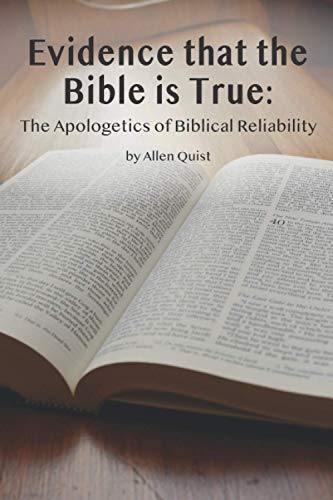
- Directly addresses whether the Bible is trustworthy
- Written in simple English
- 181 pages; shortest of these three
Best For: Readers wanting a concise, plainly written defense
Best Interactive Introduction – The Apologetics Guide to Trusting the Bible
For readers comparing apologetics books on reliability of the bible, this 144-page guide offers an approachable survey of evidence from history, archaeology, science, and Scripture. Charts, illustrations, and response prompts make it particularly useful for discussion rather than reading alone.
Best For: Beginners, students, and small groups wanting a guided introduction to biblical reliability.
Pros:
- Draws on several areas of evidence, including archaeology and fulfilled prophecy.
- Includes charts, illustrations, and interactive prompts.
- Short format makes it manageable for group study.
Cons:
- Its 144-page scope leaves less room for extended treatment of individual objections.
Choose this for a structured starting point; readers seeking a lengthy, specialized argument may prefer a more focused volume.
Best for Common Questions – Why I Trust the Bible
Why I Trust the Bible: Answers to Real Questions and Doubts People Have about the Bible
Check Price On AmazonAmong apologetics books on reliability of the bible, William Mounce’s 288-page book is a practical pick when your questions are specific: gospel dating, manuscript copies, contradictions, canon, or translations. Its question-driven approach addresses doubts readers are likely to encounter in everyday conversations.
Best For: Readers who want direct responses to recurring questions about Scripture’s trustworthiness.
Pros:
- Addresses manuscripts, translations, canon, and alleged contradictions.
- Includes questions about Jesus and the origins of the Gospels.
- Written by a Bible scholar and translator.
Cons:
- Less suited to readers seeking an interactive workbook with prompts and charts.
Start here if you want to work through familiar objections one by one without committing to an 800-page academic reference.
Best Deep Dive into the New Testament – The Historical Reliability of the New Testament
If you need apologetics books on reliability of the bible with sustained attention to the New Testament, Craig Blomberg’s 816-page volume is the most comprehensive option here. It examines historical objections alongside corroborating details from across the New Testament.
Best For: Readers ready for a detailed study of New Testament historicity and responses to scholarly objections.
Pros:
- Covers Gospel formation, textual transmission, and the canon.
- Examines alleged contradictions, other gospels, miracles, and Pauline authorship questions.
- Draws on decades of research while aiming to remain accessible to non-specialists.
Cons:
- Its 816 pages demand substantially more time than an introductory guide.
- Focuses on the New Testament rather than the Bible as a whole.
Pick this as a substantial reference for New Testament questions, not as a quick overview of every part of Scripture.
Quick Science-Focused Read – Scientific Facts in the Bible
Among apologetics books on reliability of the bible, Scientific Facts in the Bible is a short, illustrated option focused on claims about science, medicine, and prophecy in Scripture. Its 104-page length makes it easier to sample than a large reference book.
Best For: Readers who want a brief introduction to the book’s science-focused case for the Bible.
Pros:
- Organized around 100 reasons to consider the Bible’s supernatural origin.
- Includes scientific, medical, and prophetic topics.
- Illustrated, compact 104-page edition.
Cons:
- The short format leaves less room for extended discussion of each reason.
- Less directly focused on archaeology or manuscript evidence than other picks here.
Choose this for a quick look at one particular line of apologetic argument, rather than a broad survey of biblical reliability.
Archaeology Deep Dive – Faith-Affirming Findings
If you’re comparing apologetics books on reliability of the bible for historical evidence, Faith-Affirming Findings concentrates on 50 archaeological discoveries and their connections to biblical passages. The 360-page hardcover is built for closer study, with photographs, references, and research aids.
Best For: Pastors, teachers, students, and readers who want an archaeology-centered reference.
Pros:
- Discusses artifacts and sites including the House of David Stele and Hezekiah’s Tunnel.
- Includes over 100 full-color photos and museum locations.
- Provides over 450 footnotes, a glossary, and a biblical passage index.
Cons:
- At 360 pages, it requires more time than a short introductory book.
- Its archaeological focus may not suit readers seeking equal coverage of prophecy and manuscripts.
Pick this when you want to examine specific finds and follow up on sources, not just read a quick overview of reliability arguments.
Broad Evidence Overview – Evidence for the Bible
EVIDENCE FOR THE BIBLE: How Archaeology, Prophecy, and History Confirm the Word of God
Check Price On AmazonFor readers seeking apologetics books on reliability of the bible that cover several kinds of evidence, Charlie Campbell’s Evidence for the Bible offers a 150-page overview. It presents ten lines of argument, ranging from prophecy and archaeology to manuscripts and answers to common objections.
Best For: Skeptical or curious readers who want an accessible introduction to multiple reliability arguments.
Pros:
- Covers prophecy, archaeology, textual preservation, and external historical confirmation.
- Addresses alleged contradictions and other common objections.
- Short enough for readers who do not want a lengthy reference volume.
Cons:
- Its wide scope in 150 pages limits space for in-depth treatment of each topic.
- Readers focused solely on archaeological artifacts may prefer a specialist book.
This is the balanced starting point of the three if you want to compare several arguments before deciding which subject to explore further.
Best Broad Overview – The Bible: A Book like No Other
If you’re comparing apologetics books on reliability of the bible, Mike Fabarez’s 272-page guide offers a broad starting point. It brings together historical, archaeological, manuscript, and prophetic arguments while also explaining how Scripture was written, preserved, translated, and recognized.
Best For: Readers who want an accessible survey of several lines of evidence in one book.
Pros:
- Covers multiple types of evidence rather than focusing on one field.
- Addresses how the biblical text was transmitted and recognized.
- Connects its reliability case to the Bible’s cultural impact and personal significance.
Cons:
- Its wide scope may be less appealing if you want a book devoted solely to archaeology.
- Its explicit Christian devotional framing may not suit readers seeking a strictly detached historical treatment.
Choose this for a well-rounded introduction; a more specialized title makes sense if you already know which kind of evidence you want to study.
Best Archaeology Reference – The Popular Handbook of Archaeology and the Bible
For readers looking at apologetics books on reliability of the bible through physical discoveries, this 432-page handbook concentrates on Old and New Testament archaeology. Norman Geisler and Joseph Holden survey artifacts and explain their significance in a popular, user-friendly format.
Best For: Readers who want an archaeology-focused reference with visual aids.
Pros:
- Includes more than 150 photographs.
- Provides an artifact chart with quick facts.
- Samples papyri, inscriptions, scrolls, ossuaries, and other finds.
Cons:
- Its archaeological focus offers less breadth across other reliability arguments.
- At 432 pages, it is a longer commitment than the other books listed here.
This is the strongest fit of the three if you want to examine archaeological finds specifically, rather than start with an overview of every category of evidence.
Best Short Direct Case – Evidence that the Bible is True
Among apologetics books on reliability of the bible, Allen Quist’s 181-page book is a shorter, direct response to the question of whether Scripture is trustworthy. Its description emphasizes simple English and documented evidence rather than a specialized archaeological survey.
Best For: Readers who want a relatively brief, plainly written defense of biblical reliability.
Pros:
- Addresses the central truthfulness question head-on.
- Uses simple English for an approachable reading experience.
- At 181 pages, it is the shortest selection in this roundup.
Cons:
- The supplied description gives few specifics about which categories of evidence receive the most attention.
- Its overtly persuasive approach may not suit readers seeking a neutral survey.
Pick this if you prefer a concise argument; choose one of the other titles if you want a clearly mapped overview or an archaeology-centered reference.
How We Picked the Best Apologetics Books on Reliability of the Bible
We organized these nine titles by the questions they appear designed to address: general trust in Scripture, common doubts, New Testament history, archaeology, prophecy, and science-related claims. We also considered whether a book’s stated approach looks better suited to a first read, a topic-specific follow-up, or more sustained study. A title or subtitle signals its focus, but it cannot establish the strength of its evidence; check a preview, contents page, and citations before buying.
Quick Comparison
For a broad introduction, start with The Apologetics Guide to Trusting the Bible, Why I Trust the Bible, or Evidence that the Bible is True. If your main interest is New Testament history, look at The Historical Reliability of the New Testament. For archaeology, compare Faith-Affirming Findings with The Popular Handbook of Archaeology and the Bible. Evidence for the Bible and The Bible: A Book like No Other span multiple evidence categories, while Scientific Facts in the Bible is the science-claims-focused option. These are differences in emphasis, not a ranking of evidential strength.
Key Buying Factors for Apologetics Books on Reliability of the Bible
Match the Evidence to Your Question
Ask what you want to investigate. Manuscripts and textual transmission concern how the text was preserved; history and archaeology concern people, places, and events; prophecy and science-related arguments involve different interpretive questions. Evidence relevant to one issue does not automatically settle the others.
Check Sources and Scope
Look for footnotes or endnotes, a bibliography, and clear distinctions between established findings and disputed interpretations. For archaeology especially, ask whether an example supports a specific detail or a much broader conclusion. Books offering many short examples can be convenient to browse, but may give each claim less space than a focused study.
Consider Viewpoint and Readability
These are apologetics books, so they argue for a position rather than offering a neutral survey. A fair treatment should describe objections accurately and acknowledge uncertainty where it matters. Sample a chapter to see whether the language, depth, and tone work for you. If you plan to give the book to someone with doubts, choose one that addresses their actual questions without assuming prior agreement.
Who Should Buy Which Apologetics Books on Reliability of the Bible?
New to the subject? Choose a broad, accessible title before a specialist work. Have a particular New Testament objection? Start with the New Testament-focused selection. Prefer tangible discoveries and locations? Compare the two archaeology-focused books. Interested in several kinds of arguments? Consider a multi-topic title, then follow its citations into the area you find most important. Choose the science-focused book only if those claims are your priority, and evaluate them with care. The best Apologetics Books on Reliability of the Bible are the ones that help you examine a specific question, not simply collect reassuring examples.