Miracles can be a hard sell in a skeptical age, but the best apologetics books on miracles do more than ask for blind faith. They build a case with history, philosophy, Scripture, and real-world reasoning.
Whether you want a strong defense of the supernatural, a faith-and-science bridge, or a reliable book for deeper study, this roundup highlights the most useful options for 2026 readers.
Best 10 Apologetics Books on Miracles Picks for 2026
Investigative Case Study

- Journalistic, interview-driven defense of miracles
- Engages atheist objections and common doubts
- Includes polling and reported healing accounts
Best For: Readers wanting an accessible defense of miracles today
Scholarly Two-Volume Defense
Miracles: The Credibility of the New Testament Accounts
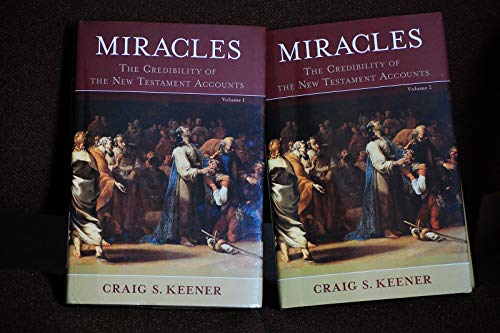
- Massive, research-heavy defense of New Testament miracles
- Reconsiders Hume in light of modern evidence
- Draws on global miracle claims and scholarship
Best For: Serious readers seeking an in-depth academic defense
Philosophical Apologetics Collection

- Multi-author rebuttal to major anti-miracle arguments
- Covers Hume, naturalism, science, and biblical evidence
- Includes discussion of prophecy and resurrection
Best For: Readers who want a broad philosophical response
Concise Contemporary Guide

- Shorter, accessible defense of present-day miracles
- Addresses common questions and definitions
- Suitable as a textbook or church resource
Best For: Church leaders and lay readers wanting a concise guide
Modern Miracle Apologetics
Renewal Apologetics: The Argument from Modern Miracles
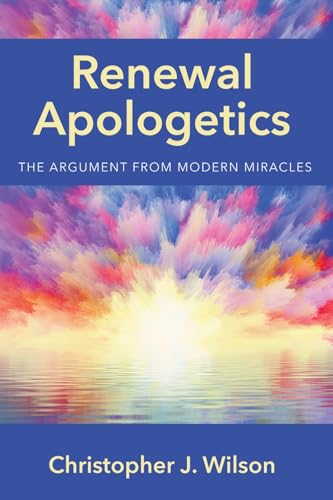
- Centers apologetics on the argument from modern miracles.
- Applies philosophical inquiry and scientific methodology.
- Also addresses why miracles happen and how they fit redemption.
Best For: Readers wanting a miracle-centered case for Christianity and the Renewal Movement
Science and Miracles Q&A
Can a Scientist Believe in Miracles?

- Written by MIT professor and plasma physicist Ian Hutchinson.
- Uses a Q&A format to address faith, science, and God.
- Presents science and Christianity as compatible and supportive.
Best For: Readers seeking a science-informed defense of Christian belief
Historical Jesus and Miracle Claims
Miracles and Wonder: The Historical Mystery of Jesus

- Examines Jesus's miracles, virgin birth, and resurrection.
- Approaches the topic as a historical mystery.
- Shows how miracle narratives shaped early Christianity.
Best For: Readers wanting a scholarly, history-focused take on Jesus and miracles
Faith & Healing

- Personal reflections on miracles and suffering
- Written by psychologist Henry Cloud
- Blends faith, science, and mental health
Best For: Readers who want a reflective, personal look at miracles
Fantasy Discernment

- Explains miracles vs. fictional magic
- Addresses Harry Potter, Narnia, and Tolkien
- Aims to help Christians discern fantasy media
Best For: Christians wanting a biblical guide to fantasy magic
Science & Scripture

- Compares biblical miracles with scientific objections
- Includes questions about true and counterfeit miracles
- Short, readable apologetics overview
Best For: Readers wanting a concise miracle-and-science apologetics book
Investigative Case Study – The Case for Miracles
The Case for Miracles: A Journalist Investigates Evidence for the Supernatural
Check Price On AmazonIf you’re comparing apologetics books on miracles, this one is built for readers who want a journalistic, question-driven look at whether supernatural claims still deserve serious attention. Lee Strobel interviews scholars, weighs atheist objections, and brings in polling and contemporary healing accounts to support his case.
Best For: Readers who want a readable apologetics book that examines modern miracle claims alongside common objections.
Pros:
- Uses an investigative, interview-based approach that keeps the argument accessible.
- Addresses atheist objections and the question of why miracles don’t happen more often.
- Includes contemporary accounts and scientific polling about miracle reports.
- Written in a concise 320-page format that is easy to finish.
Cons:
- Focuses more on persuasion and interviews than on technical academic detail.
- May feel too broad for readers seeking a deep scholarly treatment of biblical miracle texts.
Overall, this is a strong entry point if you want a practical, mainstream defense of divine intervention today. It blends apologetics with accessible storytelling rather than dense philosophical debate.
Scholarly Two-Volume Defense – Miracles: The Credibility of the New Testament Accounts
For readers comparing apologetics books on miracles, Craig Keener’s two-volume work is the heavyweight option. It argues that modern prejudice against miracle reports is overstated, draws on global and contemporary evidence, and defends the credibility of the New Testament miracle accounts with extensive research.
Best For: Readers who want a thorough academic defense of biblical miracle reports in the Gospels and Acts.
Pros:
- Extremely detailed and extensively researched, spanning 1,248 pages.
- Directly engages Hume’s argument and reassesses it in light of modern evidence.
- Draws from contemporary miracle claims across many cultures and disciplines.
- Recognized with major Christian book awards.
Cons:
- The sheer length makes it a demanding read.
- Best suited to serious study rather than casual browsing.
This is the most substantial scholarly choice in the list, especially if you want a comprehensive case tied closely to New Testament miracle accounts. It is a strong fit when depth matters more than convenience.
Philosophical Apologetics Collection – In Defense of Miracles
If you want apologetics books on miracles that tackle the philosophy head-on, this volume is organized to answer the classic objections to God’s action in history. It gathers multiple scholars to respond to Hume, naturalism, science, and questions about how miracles would be recognized in the past and present.
Best For: Readers looking for a multi-author apologetics resource focused on philosophical objections to miracles.
Pros:
- Brings together a team of scholars with different angles on the topic.
- Directly addresses Hume, naturalism, science, and recognition of miracles.
- Covers major biblical claims such as prophecy, the virgin birth, the empty tomb, and resurrection appearances.
- Provides a broad, structured response to the case against miracles.
Cons:
- The multi-author format may feel less unified than a single-voice book.
- More philosophical and theological than introductory or devotional.
This is a good pick if you want a serious defense that moves beyond one argument and surveys several major lines of evidence. It works especially well for readers who like debate-oriented apologetics.
Concise Contemporary Guide – Miracles Today
Among apologetics books on miracles, this one stands out for readers who want a shorter, more direct guide to whether miracles still happen. Craig Keener defines miracles, addresses common questions, shares evidence and examples, and keeps the focus on why miracles continue to matter today.
Best For: Church leaders, students, and lay readers who want a concise and accessible case for miracles today.
Pros:
- Concise at 304 pages, making it easier to work through than Keener’s larger study.
- Suitable as a textbook while still remaining accessible.
- Addresses common questions and offers reasons to believe in present-day miracles.
- Includes accounts presented as verifiable evidence and keeps the tone practical.
Cons:
- Less expansive than Keener’s major two-volume work.
- May not satisfy readers seeking the most exhaustive treatment available.
This is the best streamlined option if you want Keener’s perspective without committing to a massive academic set. It balances readability with enough substance for study or group use.
Modern Miracle Apologetics – Renewal Apologetics: The Argument from Modern Miracles
If you’re comparing apologetics books on miracles, this one takes a direct, evidential approach. It argues that modern miracles can be examined with philosophical inquiry and scientific methodology, then used as a practical case for Special Divine Action and Christian belief.
Best For: Readers who want a miracle-centered apologetics book that connects modern claims of divine action to Christian and Renewal Movement arguments.
Pros:
- Builds its case around the argument from miracles, not just abstract philosophy.
- Uses modern tools of philosophical inquiry and scientific methodology.
- Addresses why miracles happen, why prayers go unanswered, and how miracles fit redemption.
- Focuses on both Christianity broadly and the Renewal Movement specifically.
Cons:
- At 204 pages, it is relatively focused rather than broad.
- Its emphasis on Special Divine Action may feel specialized for general readers.
This is a good pick if you want a tighter apologetics book on miracles that aims to move from argument to theological meaning, rather than stopping at proof alone.
Science and Miracles Q&A – Can a Scientist Believe in Miracles?
For shoppers looking at apologetics books on miracles, this title stands out for its science-forward, question-and-answer format. Written by an MIT professor and plasma physicist, it tackles faith, science, and whether miracles can make sense without dismissing the hard questions.
Best For: Readers who want an intellectually measured apologetics book that explains how science and Christian faith can be compatible.
Pros:
- Written by a plasma physicist with an MIT background.
- Answers a wide range of questions about faith, science, and God.
- Frames science and Christianity as mutually supportive and intellectually consistent.
- Comprehensive at 288 pages without being overly technical in tone.
Cons:
- The focus is broader than miracles alone.
- Readers seeking a purely devotional approach may find it more analytical.
If you want a practical bridge between scientific curiosity and Christian belief, this is one of the more balanced options in the miracles-and-apologetics space.
Historical Jesus and Miracle Claims – Miracles and Wonder: The Historical Mystery of Jesus
If you’re browsing apologetics books on miracles, this is a more historical and interpretive option than a straightforward defense. It examines Jesus’s miracles, virgin birth, resurrection, and the explanations his followers created, making it useful for readers who want a scholarly look at how miracle claims shaped early Christianity.
Best For: Readers who want a historically driven exploration of Jesus, miracles, and the rise of Christianity.
Pros:
- Explores major miracle claims tied to Jesus, including the virgin birth and resurrection.
- Frames the topic as a historical mystery, which may appeal to academic readers.
- Written by a well-known scholar and New York Times bestselling author.
- Looks at how miracle narratives affected the spread of Christianity.
Cons:
- It is more analytical than overtly apologetic.
- Readers wanting a direct Christian defense of miracles may find the perspective less affirming.
This book fits best if you want to compare miracle claims through a historical lens rather than choose a purely devotional or evangelistic apologetics text.
Faith & Healing – Why I Believe
Why I Believe: A Psychologist's Thoughts on Suffering, Miracles, Science, and Faith
Check Price On AmazonIf you’re looking for apologetics books on miracles that connect lived experience with thoughtful reflection, Henry Cloud’s Why I Believe offers a personal, psychologically informed approach. It blends his early struggles with illness and depression, his view of suffering, and the miracles he says helped shape his faith and calling.
Best For: Readers who want a faith-based, reflective look at miracles, suffering, and the human mind.
Pros:
- Written by a clinical psychologist and leadership expert with a strong faith background.
- Explores miracles alongside suffering, science, and mental health in a personal way.
- Grounded in storytelling that aims to make big spiritual questions feel accessible.
Cons:
- More reflective and personal than a technical apologetics text.
- Focuses on the author’s story, so readers seeking a dense argument may want a different fit.
Overall, this is a strong choice if you want apologetics books on miracles that feel human, honest, and spiritually searching rather than purely academic.
Fantasy Discernment – On Magic & Miracles
For buyers comparing apologetics books on miracles with a focus on biblical discernment, On Magic & Miracles tackles the difference between miracles, magic, and fictional fantasy. It addresses long-running questions about Harry Potter, Tolkien, and other fantasy worlds, while aiming to help Christians think carefully about scripture, creativity, and the occult.
Best For: Christians, parents, readers, and gamers who want a biblical guide to evaluating fantasy magic.
Pros:
- Directly compares biblical miracles with magic in fiction.
- Uses scriptural principles to help with discernment in books, films, and games.
- Speaks to both adults and children in a practical, question-driven format.
Cons:
- More of a theology-of-magic guide than a classic miracles apologetics book.
- Best suited to readers interested in fantasy media debates and Christian discernment.
This is a useful pick if your search for apologetics books on miracles includes help sorting out how Christians should understand fictional magic.
Science & Scripture – Miracles
If you want apologetics books on miracles that speak directly to science objections, Henry Morris’s Miracles: A Biblical and Scientific Perspective is a straightforward option. It asks whether science refutes miracles, how to identify true miracles, and how biblical and present-day miracles can be understood from both scriptural and scientific angles.
Best For: Readers looking for a concise Christian apologetics overview of miracles and science.
Pros:
- Directly addresses science, counterfeit miracles, and biblical miracles.
- Written by a Bible scholar and celebrated scientist.
- Short and readable at 141 pages.
Cons:
- Brief length means it’s more of an overview than an in-depth study.
- Older publication may feel less current than newer titles.
For readers who want a compact, argument-driven entry in apologetics books on miracles, this title keeps the focus on evidence questions and biblical claims.
How We Picked the Best Apologetics Books on Miracles
We focused on books that make a serious case for miracles without relying on hype. Priority went to clear arguments, credible authorship, strong use of evidence, and usefulness for readers at different levels of familiarity with Apologetics Books on Miracles.
We also favored books that approach the topic from more than one angle—historical reliability, philosophical coherence, scientific concerns, biblical testimony, and modern miracle claims.
Quick Comparison
Some titles are best for a broad, accessible overview, while others are better suited to readers who want a more academic or specialized argument. If you want a fast starting point, choose a book with a journalistic or introductory style. If you want a deeper defense, look for works that engage history, theology, and science together.
Key Buying Factors for Apologetics Books on Miracles
Argument Style
Decide whether you want an evidence-based case, a theological defense, or a science-and-faith discussion. The strongest Apologetics Books on Miracles often combine more than one.
Reading Level
Some books are written for general readers, while others assume comfort with philosophy, biblical studies, or technical debates. Pick a level that matches your goals, not just the title that sounds most rigorous.
Scope of Miracles Covered
Different books focus on New Testament miracles, modern miracle reports, the resurrection as the central miracle, or the broader idea of divine action in history. Make sure the book aligns with the questions you actually want answered.
Use of Evidence
Look for books that explain how they handle historical testimony, eyewitness claims, scientific objections, and alternative explanations. A strong apologetics book should show its work.
Who Should Buy Which Apologetics Books on Miracles?
If you are new to the topic, choose a more accessible introduction that explains the case for miracles in plain language. If you are a skeptic or careful investigator, look for books that directly address evidence and objections. If you are studying theology or ministry, prioritize titles with broader biblical and doctrinal depth.
For readers comparing Apologetics Books on Miracles, the best choice usually depends on whether you want a practical first read, a classroom-friendly resource, or a more specialized defense of supernatural claims. Match the book to your purpose, and you will get much more value from the purchase.