Books on covenant theology help readers trace God’s saving plan through the Bible with clarity, structure, and confidence. Whether you are new to the subject or sharpening a Reformed framework, the right book can make the major covenants easier to understand.
This roundup highlights approachable introductions, more academic options, and biblical-theological studies so you can choose the best fit for your study goals in 2026.
Best 10 Books on Covenant Theology Picks for 2026
Biblical Overview Pick
God's Kingdom through God's Covenants

- A concise abridgement of a major biblical theology
- Traces covenant through both Testaments
- Presents a middle way between major frameworks
Best For: readers who want an accessible overview of the Bible’s covenantal structure
Accessible Starter

- Designed to make covenant theology simple
- Aimed at laypeople, new Christians, and teachers
- Compact and approachable at 206 pages
Best For: newer readers seeking a clear introduction
Deep Seminary-Level Study
Kingdom through Covenant: Second Edition

- A 960-page study of how the covenants relate
- Updated with revised content and new research
- Used as a textbook in evangelical seminaries
Best For: serious students seeking a comprehensive academic resource
Reformed Confessional Choice

- A systematic introduction to Reformed covenant theology
- Centers Christ and his work in the covenant relationship
- Connects theology to confessions, Bible reading, and church life
Best For: readers wanting a Reformed confessional introduction
Comprehensive Reformed Study
Covenant Theology: Biblical, Theological, and Historical Perspectives
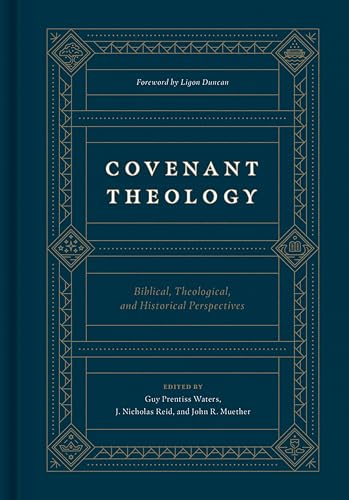
- 672-page Reformed overview of covenant theology
- Covers biblical, theological, historical, and practical angles
- 26-scholars collaboration with foreword by Ligon Duncan
Best For: Preachers and Bible teachers seeking a broad, scholarly introduction
Readable Lay Introduction
Sacred Bond: Covenant Theology Explored Second Edition

- Lay-level introduction in clear, readable language
- Helps readers understand how their Bibles fit together
- Manageable 214-page second edition
Best For: Beginners and lay readers wanting an approachable start
Big-Picture Bible Overview
Covenant and God's Purpose for the World
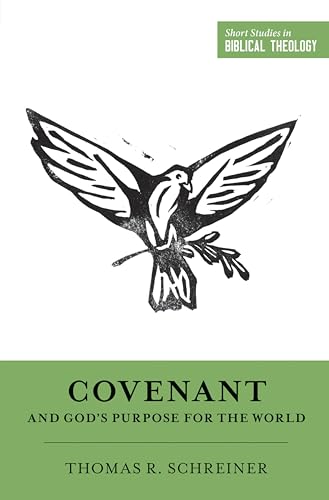
- Compact 144-page biblical-theology study
- Traces six covenants from Genesis to Revelation
- Shows how Old and New Testaments relate
Best For: Readers wanting a concise overview of the Bible’s covenant storyline
Foundations of Covenant Theology

- Explains federal theology as a Bible-reading framework
- Links covenant theology to justification by faith alone
- Short 204-page introduction from Pactum Publishing
Best For: Readers wanting a concise, gospel-centered introduction to covenant theology
Westminster Overview
The Fulfillment of the Promises of God

- Starts with the Westminster Confession of Faith
- Compares Reformed, Baptist, and evangelical views
- Covers covenant theology and justification concerns
Best For: Readers seeking a confessional explanation that also evaluates different covenant theology views
Accessible Introduction

- Explains the basics through the covenants of redemption, works, and grace
- Shows how sacraments fit the Bible’s unified storyline
- Includes discussion questions for study and reflection
Best For: Readers wanting a practical introduction with study questions and everyday application
Biblical Overview Pick – God's Kingdom through God's Covenants
If you want books on covenant theology that help you see the big picture of Scripture without getting lost in technical detail, this concise biblical theology is a strong place to start. Adapted from the larger Kingdom through Covenant, it traces the theme of covenant through both Testaments and presents a clear middle way between covenant theology and dispensationalism.
Best For: Readers who want an accessible, big-picture introduction to the Bible’s covenantal structure.
Pros:
- Concise abridgment of a well-known academic work
- Traces covenant across the Old and New Testaments
- Offers an alternative to covenant theology and dispensationalism
- Useful for understanding the overall structure of the Bible
Cons:
- Still assumes interest in biblical-theological categories
- Less detailed than the full-length edition
This is a practical pick if you want a readable survey that connects covenant themes to the whole storyline of redemption without committing to a dense academic treatment.
Accessible Starter – Introducing Covenant Theology
For buyers comparing books on covenant theology, this title is geared toward clarity and approachability. Michael Horton aims to unwind a complex subject and make covenant theology surprisingly simple for laypeople, new Christians, pastors, and teachers who want a solid introduction to core covenant concepts.
Best For: Newer readers who want a clear, non-intimidating introduction to covenant theology.
Pros:
- Written to make a complex topic accessible
- Useful for laypeople, new Christians, pastors, and teachers
- Connects covenant theology to core Christian beliefs
- Compact 206-page format for easier reading
Cons:
- More introductory than exhaustive
- Best for foundational learning rather than advanced study
If you want a manageable starting point before moving into more technical works, this is one of the more approachable options in the category.
Deep Seminary-Level Study – Kingdom through Covenant: Second Edition
Kingdom through Covenant: A Biblical-Theological Understanding of the Covenants (Second Edition)
Check Price On AmazonIf you’re looking for books on covenant theology with substantial depth, this second edition is the most detailed option here. Peter J. Gentry and Stephen J. Wellum carefully explain how the biblical covenants unfold and relate to one another, using updated research and addressing implications for Christology, ecclesiology, eschatology, and hermeneutics.
Best For: Readers who want a thorough, academically serious study of biblical covenants.
Pros:
- Very detailed treatment at 960 pages
- Updated and revised second edition
- Incorporates research from the ancient Near East
- Used as a textbook in many evangelical seminaries
Cons:
- Length and scope make it a major commitment
- Better suited to serious study than casual reading
This is the strongest choice if you want a comprehensive, seminary-level resource that digs deeply into covenant relationships and their theological implications.
Reformed Confessional Choice – Reformed Covenant Theology
Among books on covenant theology, this systematized introduction is aimed at readers who want a distinctly Reformed frame for understanding covenant, salvation, and the church. Harrison Perkins emphasizes Christ and his work at the center of the covenant relationship while showing how the biblical basis for the Reformed confessions fits into Christian life and Bible reading.
Best For: Readers who want a Reformed, systematized introduction to covenant theology.
Pros:
- Systematic introduction to Reformed covenant theology
- Highlights Christ and his work as central
- Explains the biblical basis for the Reformed confessions
- Connects covenant theology to Bible reading, salvation, and church life
Cons:
- Specifically Reformed in perspective
- Best suited to readers already interested in confessional theology
This is a strong fit if you want a contemporary, pastorally aware introduction that clearly works within the Reformed tradition.
Comprehensive Reformed Study – Covenant Theology: Biblical, Theological, and Historical Perspectives
If you’re comparing books on covenant theology and want one volume that goes beyond a simple primer, this collection is built for serious study. It presents covenant theology from biblical, theological, historical, confessional, and practical angles, with an emphasis on the covenants of works and grace and how they shape the whole storyline of Scripture.
Best For: Preachers, Bible teachers, and readers who want a comprehensive Reformed introduction with scholarly depth.
Pros:
- Accessible but comprehensive introduction to covenant theology
- Written from a Reformed, covenantal, redemptive-historical perspective
- Features contributions from 26 respected scholars at Reformed Theological Seminary
- Broad scope covers biblical, theological, historical, and practical concerns
Cons:
- At 672 pages, it is a substantial commitment
- The multi-author approach may feel less streamlined than a single-author primer
This is a strong pick if you want a resource that connects covenant theology to the broader doctrines of salvation and offers more depth than an introductory survey.
Readable Lay Introduction – Sacred Bond: Covenant Theology Explored Second Edition
Among books on covenant theology, this one stands out as a basic, readable starting point for lay readers. It aims to explain covenant theology in clear terms without talking down to the reader, while helping readers better understand how the Bible fits together.
Best For: Lay readers and beginners who want an approachable introduction to covenant theology.
Pros:
- Geared to the lay reader and written in basic, readable terms
- Avoids oversimplifying complicated ideas
- Designed to help readers better understand their Bibles
- Second edition with 214 pages for a manageable read
Cons:
- Less expansive than larger academic treatments
- Limited in scope compared with more comprehensive covenant theology books
If you want a friendly entry point rather than a dense theological survey, this is a practical and approachable choice.
Big-Picture Bible Overview – Covenant and God's Purpose for the World
If you want books on covenant theology that focus on the sweep of Scripture, this short study is a smart option. It walks through six covenants from Genesis to Revelation and shows how the Old and New Testaments relate to each other within the larger biblical story.
Best For: Readers who want a concise biblical-theology guide to the major covenants and the Bible’s overall storyline.
Pros:
- Concise 144-page study in the Short Studies in Biblical Theology series
- Explores covenants from creation through the new covenant
- Helps connect the Old and New Testaments
- Focuses on the Bible’s big-picture narrative and kingdom advancement
Cons:
- Short length means less room for extended theological development
- More focused on biblical theology than a full systematic treatment
This is a good choice if you want a compact, Scripture-sweeping introduction that quickly clarifies how the covenants support the Bible’s redemptive storyline.
Foundations of Covenant Theology – Covenant Theology
If you want books on covenant theology that clarify the big picture of Scripture, this concise volume by Pat Abendroth offers a focused introduction. It presents covenant theology as the interpretive key for reading the Bible through the covenant of redemption, the covenant of works, and the covenant of grace, while connecting that framework directly to justification by faith alone.
Best For: Readers who want a compact, gospel-focused introduction to federal theology and its link to justification.
Pros:
- Introduces the core covenant framework in clear, straightforward terms
- Connects covenant theology to salvation by grace and justification through faith alone
- Compact 204-page format is approachable for readers new to the topic
Cons:
- Focused more on introduction than detailed debate
- May be too brief for readers seeking a comprehensive survey
This is a practical starting point if you want a readable overview that keeps the gospel central. It is best suited to readers looking for clarity, not an exhaustive academic treatment.
Westminster Overview – The Fulfillment of the Promises of God
Among books on covenant theology, this title is a strong fit if you want a structured explanation that starts with the Westminster Confession of Faith. It lays out basic covenant theology first, then compares major views, including confessional Baptist perspectives and broader evangelical covenantal approaches.
Best For: Readers who want a confessional, comparison-minded guide to covenant theology and its major variations.
Pros:
- Explains covenant theology from the Westminster Confession as a starting point
- Compares variations within Reformed, Baptist, and evangelical circles
- Addresses differences that can affect doctrines tied to justification by faith
- Longer 356-page treatment allows for both overview and analysis
Cons:
- May feel more technical than an introductory primer
- Focus on comparison may be less ideal for casual readers
This book is a good pick if you want both a clear baseline and help evaluating alternative covenantal positions. It works especially well for readers who appreciate confessional structure and theological precision.
Accessible Introduction – What Is Covenant Theology?
What Is Covenant Theology?: Tracing God's Promises through the Son, the Seed, and the Sacraments
Check Price On AmazonIf you are browsing books on covenant theology and want a readable entry point, Ryan McGraw’s introduction emphasizes the unity of Scripture through God’s covenants. It walks through redemption, works, and grace while showing how baptism and Communion fit into the Bible’s larger story from Genesis to Revelation.
Best For: Readers who want an accessible, practical introduction that connects covenant theology to worship and daily life.
Pros:
- Accessible overview of the basics and blessings of covenant theology
- Connects the covenants to the sacraments and the unity of Scripture
- Practical emphasis on the church, families, and everyday life
- Includes discussion questions for study use
Cons:
- At 160 pages, it is a brief introduction rather than a deep dive
- Best suited to foundational learning, not advanced debate
This is a strong choice for readers who want a clear, user-friendly guide that ties theology to real-life Christian practice. Its study-friendly format makes it especially useful for small groups or personal reading.
How We Picked These Books on Covenant Theology
We focused on clarity, theological reliability, and usefulness for real readers. The strongest selections explain covenant theology in a way that is biblically grounded, well organized, and suitable for either first-time learning or deeper study. We also looked for books that balance doctrinal accuracy with readability, since Books on Covenant Theology can vary from concise primers to more technical treatments.
Quick Comparison
For a fast choice, look at the book’s angle: some are best for beginners who need a simple framework, while others are better for pastors, seminary students, or readers who want historical and systematic depth. If you want the shortest path into the topic, choose an introductory title. If you want a fuller theological treatment, pick one of the more detailed works.
Key Buying Factors for Books on Covenant Theology
Reading Level
Choose an accessible introduction if you are new to the topic. More advanced books may assume familiarity with Reformed theology, biblical theology, or confessional language.
Biblical Scope
The best books show how the covenants connect the Old and New Testaments, not just how they function as abstract doctrines. Look for titles that move through the Abrahamic, Mosaic, Davidic, and New Covenants with Scripture in view.
Theological Approach
Some authors present covenant theology from a confessional Reformed perspective, while others emphasize biblical theology or historical development. Match the approach to your study purpose so you do not end up with a book that is too narrow or too broad.
Practical Use
If you want a study aid for teaching, preaching, or group discussion, prioritize books with clear structure and chapter summaries. If you are reading for academic work, choose a title with stronger argumentation and historical engagement.
Who Should Buy Which Books on Covenant Theology?
Beginners should start with a concise, readable introduction that defines key terms without assuming much background. Pastors and teachers may prefer a broader, more systematic option that supports sermon preparation and doctrinal clarity. Seminary students and advanced readers will usually benefit from the more technical and historically informed volumes.
In short, the best choice depends on how deeply you want to go and how much theological framework you already have. The right Books on Covenant Theology will help you see Scripture’s unified message more clearly and choose a resource that matches your study needs.