Trauma recovery can feel overwhelming, especially when you want help that respects both your faith and your lived experience. The right book can offer biblical encouragement, practical tools, and a gentler path forward.
This roundup of christian books for trauma healing focuses on titles that support emotional recovery, spiritual restoration, and steady growth without adding unnecessary complexity.
Best 10 Christian Books for Trauma Healing Picks for 2026
Faith-Based Trauma Recovery Handbook
The Christ Cure: 10 Biblical Ways to Heal

- Combines scripture with scientific research.
- Built around healing steps and biblical principles.
- Includes guidance for victims, families, and counselors.
Best For: Readers seeking a structured Christian trauma recovery guide.
Supernatural Healing and Prayer Guide
Supernatural Freedom from Trauma

- Focuses on breaking trauma through prayer.
- Addresses fear, nightmares, and PTSD.
- Equips readers with healing prayers and spiritual insight.
Best For: Readers wanting a supernatural, prayer-centered trauma resource.
Therapy-Informed Faith Guide

- Mixes trauma therapy with Christian coping skills.
- Helps readers identify patterns rooted in past pain.
- Offers faith-filled tools for everyday healing.
Best For: Readers who want a balanced faith-and-therapy approach.
Christ-Centered Inner Healing Guide
Christ Centered Healing of Trauma

- Teaches biblical principles for wounded hearts.
- Covers repentance, renunciation, and forgiveness.
- Aims to equip readers to minister to others.
Best For: Readers seeking a biblical inner-healing and ministry-focused guide.
Trauma Recovery for Veterans & First Responders
Unshackled: Finding God’s Freedom from Trauma

- Trauma survivor + psychiatrist perspective
- Holistic healing: physical, psychological, spiritual
- Focuses on Christ-centered restoration
Best For: Veterans, first responders, and trauma survivors seeking faith-based healing
Faith-Based Mind Renewal Guide

- Psychiatrist-written trauma recovery guide
- Uses science, Scripture, and real stories
- Includes a free downloadable workbook
Best For: Readers wanting structured, faith-based emotional healing support
Christ-Centered Hope for Deep Trauma
Suffering and the Heart of God

- Global trauma counselor with decades of experience
- Connects trauma recovery to Christ’s suffering
- Helpful for survivors and caregivers alike
Best For: Survivors, counselors, and loved ones seeking compassionate Christian trauma care
Phase Two Trauma Healing Guide
Start Healing Trauma and Stop Trading Symptoms
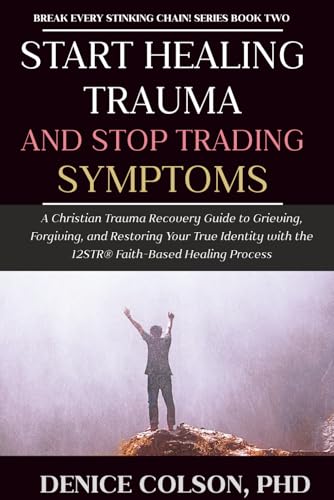
- 12STR® Phase Two focus on reprocessing and grieving
- Guided help with false beliefs, forgiveness, and identity
- Built for use with a counselor or recovery coach
Best For: Readers ready for deeper guided healing after building a safety foundation
Mindfulness Prayer Workbook
The Christian Trauma Survivor’s Workbook

- Teaches attention, awareness, acceptance, and focus
- Includes journaling, audio files, and exercises
- Anchored in Bible-based contemplative prayer
Best For: Christians who want a hands-on workbook with prayer and journaling
Gentle Start to Healing
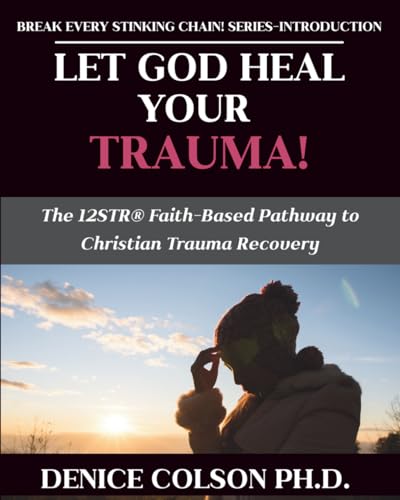
- Book-and-workbook format with reflection and prayers
- Introduces the 12STR® recovery pathway
- Explains trauma effects on brain, body, and beliefs
Best For: Survivors or counselors seeking a gentle Scripture-rooted introduction
Faith-Based Trauma Recovery Handbook – The Christ Cure: 10 Biblical Ways to Heal
If you want christian books for trauma healing that combine scripture, psychology, and real-world recovery, this handbook offers a structured path through trauma, tragedy, and PTSD. It draws on the Apostle Paul’s experiences, the author’s own recovery, and scientific research to frame healing in practical, faith-centered steps.
Best For: Readers who want a Bible-based, research-informed guide for recovering from trauma and supporting loved ones.
Pros:
- Blends biblical teaching with modern psychological research.
- Covers trauma recovery topics like sleep, fitness, resilience, and renewal.
- Addresses both personal healing and helping family members or care providers.
- Offers a clear framework built around faith, grace, and restoration.
Cons:
- Its handbook style may feel more instructional than devotional.
- Focuses heavily on trauma and PTSD, which may be intense for some readers.
- Best suited to readers open to combining faith with psychology.
This is a strong pick if you want a guided, step-by-step resource rather than a brief inspirational read. It is especially useful for readers looking for a practical Christian lens on deep emotional wounds.
Supernatural Healing and Prayer Guide – Supernatural Freedom from Trauma
Supernatural Freedom from the Captivity of Trauma: Overcoming the Hindrance to Your Wholeness
Check Price On AmazonFor readers browsing christian books for trauma healing with a strong prayer and deliverance emphasis, this title focuses on breaking the “spirit of trauma” and pursuing wholeness through Jesus the Healer. It is written as an equipping resource, with practical guidance on identifying trauma symptoms, overcoming fear, and releasing healing prayers.
Best For: Christians looking for a supernatural, prayer-focused approach to trauma and PTSD.
Pros:
- Centers on healing prayer and spiritual freedom.
- Addresses trauma-related anxiety, fear, nightmares, and PTSD.
- Written to help readers identify roots and symptoms of trauma.
- Concise length makes it approachable for focused study.
Cons:
- Strongly supernatural in tone, which may not fit every reader’s preferences.
- Less emphasis on therapeutic or clinical methods.
- Best for readers already comfortable with deliverance language.
This book is a good match if your priority is spiritual healing language and prayer ministry rather than a psychology-heavy framework. It aims to help readers move from trauma toward relief and freedom.
Therapy-Informed Faith Guide – Why Am I Like This?
Why Am I Like This?: How to Break Cycles, Heal from Trauma, and Restore Your Faith
Check Price On AmazonIf you’re comparing christian books for trauma healing and want something practical, this book blends seminary training, trauma therapy, and faith-based coping skills. It helps readers understand how past pain shapes present patterns and offers tools for beginning restoration in everyday life.
Best For: Readers who want trauma-informed guidance with both therapeutic and Christian insight.
Pros:
- Explains trauma and healing in accessible, reader-friendly language.
- Combines theological insight with evidence-based coping tools.
- Focuses on recognizing patterns and how trauma shows up daily.
- Designed to help deepen intimacy with God during recovery.
Cons:
- More reflective and instructional than devotional.
- May be most useful for readers open to therapy-informed language.
- Not as explicitly focused on prayer ministry or deliverance.
This is a strong choice for readers who want both faith and clinically informed support in one place. Its biggest strength is helping people connect their pain patterns to practical next steps.
Christ-Centered Inner Healing Guide – Christ Centered Healing of Trauma
For shoppers seeking christian books for trauma healing with a direct discipleship and inner-healing focus, this book teaches biblical principles for understanding wounded hearts and breaking harmful patterns. It emphasizes repentance, renunciation, forgiveness, and restored fellowship with God as part of the healing process.
Best For: Readers wanting a biblically structured inner-healing resource with ministry application.
Pros:
- Explains how trauma affects both heart and body.
- Focuses on biblical laws, repentance, renunciation, and forgiveness.
- Aims to help readers identify root causes behind pain and brokenness.
- Includes an outward ministry angle for helping others later on.
Cons:
- Heavier emphasis on biblical process than clinical detail.
- May feel more doctrinal than conversational.
- At 354 pages, it is a longer commitment than some alternatives.
This title is best for readers who want a clear, Bible-centered framework for healing and spiritual restoration. It is especially relevant if you want a resource that moves from personal healing toward helping others.
Trauma Recovery for Veterans & First Responders – Unshackled: Finding God’s Freedom from Trauma
If you’re looking for christian books for trauma healing with a strong blend of lived experience and clinical insight, Unshackled offers a grounded place to start. Elizabeth Stevens writes as both a trauma survivor and a professional psychiatrist, focusing on how trauma can fuel shame, isolation, and avoidance—or become a catalyst for growth, empathy, and a closer relationship with God.
Best For: Veterans, first responders, and other trauma survivors who want a Christ-centered path that includes physical, psychological, and spiritual healing.
Pros:
- Written by a trauma survivor and professional psychiatrist
- Addresses barriers to healing with a holistic approach
- Includes personal trauma experiences and practical forward paths
- Centers the hope of ultimate healing through Jesus Christ
Cons:
- Especially tailored to veterans and first responders
- May feel serious or intense for readers seeking a lighter devotional read
Overall, this is a thoughtful choice for readers who want trauma recovery guidance that takes pain seriously while pointing toward faith-based restoration. It stands out for combining professional credibility with a clearly Christian framework.
Faith-Based Mind Renewal Guide – When the Mind Cries
For shoppers comparing christian books for trauma healing, When the Mind Cries stands out as a practical, science-meets-Scripture guide. Dr. Tiwalola Osunfisan draws on her background as a double-board-certified psychiatrist to explain how emotional pain, trauma, grief, and disappointment affect the brain, body, thoughts, and relationships—and how healing can happen without guilt, shame, or fear.
Best For: Readers who want a faith-based trauma recovery book with clinical insight, workbook support, and practical steps for renewing the mind.
Pros:
- Combines biblical truth with psychiatric expertise
- Explains trauma, grief, anxiety, and shame in clear terms
- Offers faith-based strategies plus a free downloadable workbook
- Addresses both spiritual encouragement and real-world application
Cons:
- Its depth may be more than readers want in a short inspirational read
- Leans heavily into clinical and strategic frameworks
This is a strong pick for anyone who wants more than generic encouragement and prefers a structured healing path. It’s especially useful if you want a book that validates therapy, medication, prayer, and practical follow-through together.
Christ-Centered Hope for Deep Trauma – Suffering and the Heart of God
If you’re shopping for christian books for trauma healing that emphasize compassion, presence, and theological depth, Suffering and the Heart of God is a standout. Diane Langberg draws on decades of global trauma counseling to show how the cross of Christ offers real hope for those harmed by abuse and trauma, while also helping family members, friends, and counselors learn how to walk patiently with survivors.
Best For: Readers, counselors, and support people who want a Christ-centered understanding of trauma and restoration.
Pros:
- Written by a widely respected trauma counselor
- Grounds healing in Christ’s suffering and redemptive love
- Useful for both survivors and those who support them
- Emphasizes compassionate presence over quick fixes
Cons:
- Less of a step-by-step self-help manual
- Its theological focus may feel dense for some readers
This book is best for readers who want a thoughtful, deeply pastoral approach to trauma rather than a quick practical workbook. Its strength is the way it connects suffering, hope, and restoration through the life and wounds of Christ.
Phase Two Trauma Healing Guide – Start Healing Trauma and Stop Trading Symptoms
If you are comparing christian books for trauma healing and you are ready to move beyond symptom management, this Phase Two guide offers a structured path into grieving, forgiveness, and identity restoration. It is designed for readers who already have a safety foundation and want a practical, faith-based roadmap for deeper emotional and spiritual healing.
Best For: Christians who have completed a stability foundation and want guided help with grief, false beliefs, forgiveness, and restoring identity in Christ.
Pros:
- Walks readers through the 12STR® Phase Two reprocessing and grieving stage.
- Includes guided help for telling your story, identifying false beliefs, and recognizing survival responses.
- Blends Scripture with trauma-informed Christian counseling.
- Includes a milestone to mark spiritual progress.
Cons:
- Best suited for readers who have already built some safety and stability.
- Works as a guided process, so it may be less useful for those wanting a simple devotional read.
This book is a strong fit if you want a step-by-step Christian trauma recovery resource that focuses on root healing rather than temporary coping. Its clear structure makes it especially useful for those working with a trained counselor or recovery coach.
Mindfulness Prayer Workbook – The Christian Trauma Survivor’s Workbook
For shoppers looking for christian books for trauma healing that combine faith practices with practical skills, this workbook centers on attention, present-moment focus, awareness, and acceptance. It is built to help Christians shift away from rumination and toward God using Bible-anchored meditative prayer and contemplative practices.
Best For: Christians who want a workbook-style approach with journaling, audio support, and Bible-based contemplative exercises.
Pros:
- Teaches four research-supported skills for reducing trauma-based rumination.
- Includes step-by-step interventions, journaling exercises, and real-life examples.
- Uses Christian meditative prayer and contemplative practices anchored to Scripture.
- Provides audio files for guided support.
Cons:
- More workbook-focused than narrative or testimony-driven.
- Its contemplative style may not fit readers looking for a more direct recovery framework.
This is a practical choice if you want an active, structured workbook that ties trauma support to prayer and reflection. It stands out for readers who prefer hands-on exercises over a purely reading-based approach.
Gentle Start to Healing – Let God Heal Your Trauma!
If you want christian books for trauma healing that feel both approachable and structured, this book-and-workbook combination offers an introduction to the 12STR® pathway. It focuses on learning how trauma affects the brain, body, and beliefs while giving you practical steps for safety, grief, and reconnection with God and others.
Best For: Survivors or counselors who want a gentle, Scripture-rooted starting point with reflection questions and prayers.
Pros:
- Combines a book and workbook in one resource.
- Introduces the 12STR® Strategic Trauma and Abuse Recovery System in a simple format.
- Includes reflection questions, journaling prompts, and prayers.
- Explains hidden wounds, trauma patterns, and the path toward healing.
Cons:
- Introductory in scope, so it may not go as deep as a later-stage recovery guide.
- Readers looking for a purely devotional book may prefer a different format.
This title is a solid starting choice if you want a faith-based trauma resource that combines education with practical application. Its gentle tone and step-by-step layout make it useful for both personal healing and counseling support.
How We Picked These Christian Books for Trauma Healing
We selected books that speak to trauma recovery from a clearly Christian perspective and offer more than vague encouragement. Priority went to titles that address common needs such as grief, PTSD, identity wounds, emotional regulation, forgiveness, and rebuilding trust in God.
We also favored a mix of formats and approaches so readers can choose between biblical teaching, counseling-informed guidance, and workbook-style exercises.
Quick Comparison
Some books in this roundup are best for readers who want scripture-centered encouragement and theological framing, while others are better for people who want a more hands-on recovery plan. If you want reflective reading, choose a title with a strong devotional or teaching emphasis. If you want action steps, look for a workbook or guide with structured exercises.
Key Buying Factors for Christian Books for Trauma Healing
Biblical Balance
Look for books that are grounded in scripture without minimizing the complexity of trauma. The most helpful titles connect faith with realistic emotional healing, not quick fixes.
Recovery Approach
Decide whether you need spiritual reassurance, trauma education, practical exercises, or a blend of all three. Some readers benefit most from narrative insight; others need prompts, reflections, and step-by-step tools.
Depth and Accessibility
Consider your current season. If you are actively recovering, a gentler, clearer book may be easier to absorb than a dense counseling resource. If you are supporting others, a more detailed guide may be worth it.
Identity, Grief, and Forgiveness
Many Christian Books for Trauma Healing address identity loss, grief, shame, and forgiveness. Choose one that matches the specific struggle you are trying to work through, especially if you are navigating betrayal or long-term emotional wounds.
Who Should Buy Which Christian Books for Trauma Healing?
If you want a broad biblical framework, choose a book that explains trauma recovery through scripture and discipleship. If you want practical next steps, look for a workbook or guided recovery plan. If you are processing suffering, grief, or questions about God’s goodness, pick a title that emphasizes lament, restoration, and hope. For readers who want the most structured support, a trauma recovery guide or counseling-informed resource is often the best fit.
In short, the best choice depends on how you process healing: by reading, reflecting, journaling, or applying. Matching the book to your current needs will make it more useful and more sustainable.